
Arrival in town
Confirm the service, meeting point and room for onward connections.
BOLIVIAN AMAZON
Make the journey part of the plan. Connect arrival in Rurrenabaque with your forest or pampas base, leaving room for transfers, rest and changes.
Plan this journey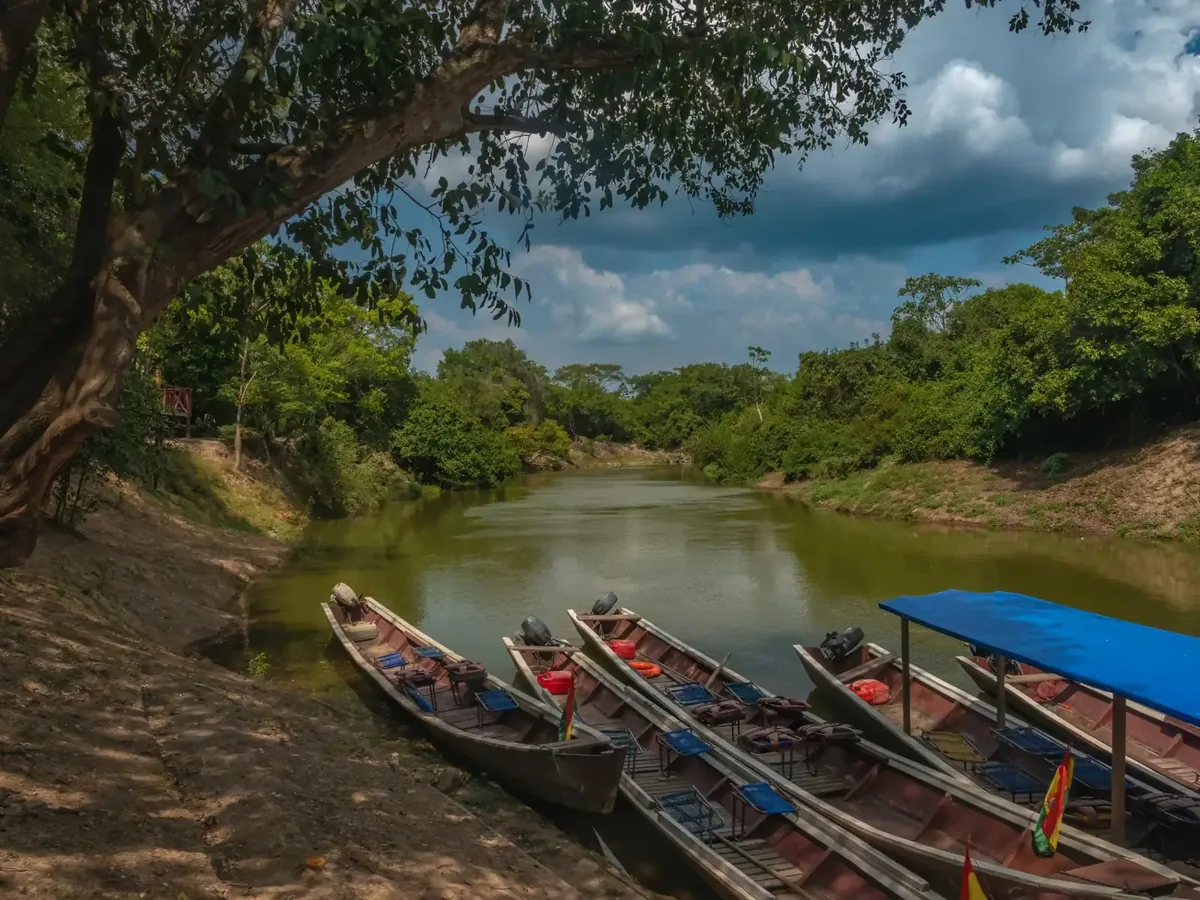
AT A GLANCE
Separate arrival, onward transfers and usable time at the base.
Confirm the service, meeting point and room for onward connections.
See each transfer stage and the usable time after arrival.
Show the changeover between both overnight bases.
Rurrenabaque is the gateway identified by the regional destination council for Madidi and the Yacuma pampas. Reaching town is one stage of the trip; getting from the meeting point to your overnight base is another. Use the Rurrenabaque guide to decide whether a town night belongs before or after your nature stay.
Write the route in stages: arrival city, gateway, meeting point, transfer and accommodation. This makes it easier to compare two proposals that advertise the same number of days but leave different amounts of time for exploring. Keep the return journey visible too, especially when another booking depends on it.
The council describes air and road approaches from La Paz. Its access page also contains airline names, fares and schedules that should not be treated as current booking information. Check the actual operator and service for your travel date before making a reservation; a route mentioned in an overview is not proof of a bookable departure.
Compare total travel time, baggage conditions, comfort, cancellation terms and the connection at the destination. For overland travel, ask where the service starts and ends and whether any vehicle changes are involved. Choose with the whole journey in mind rather than comparing only the headline ticket price or a quoted travel duration.
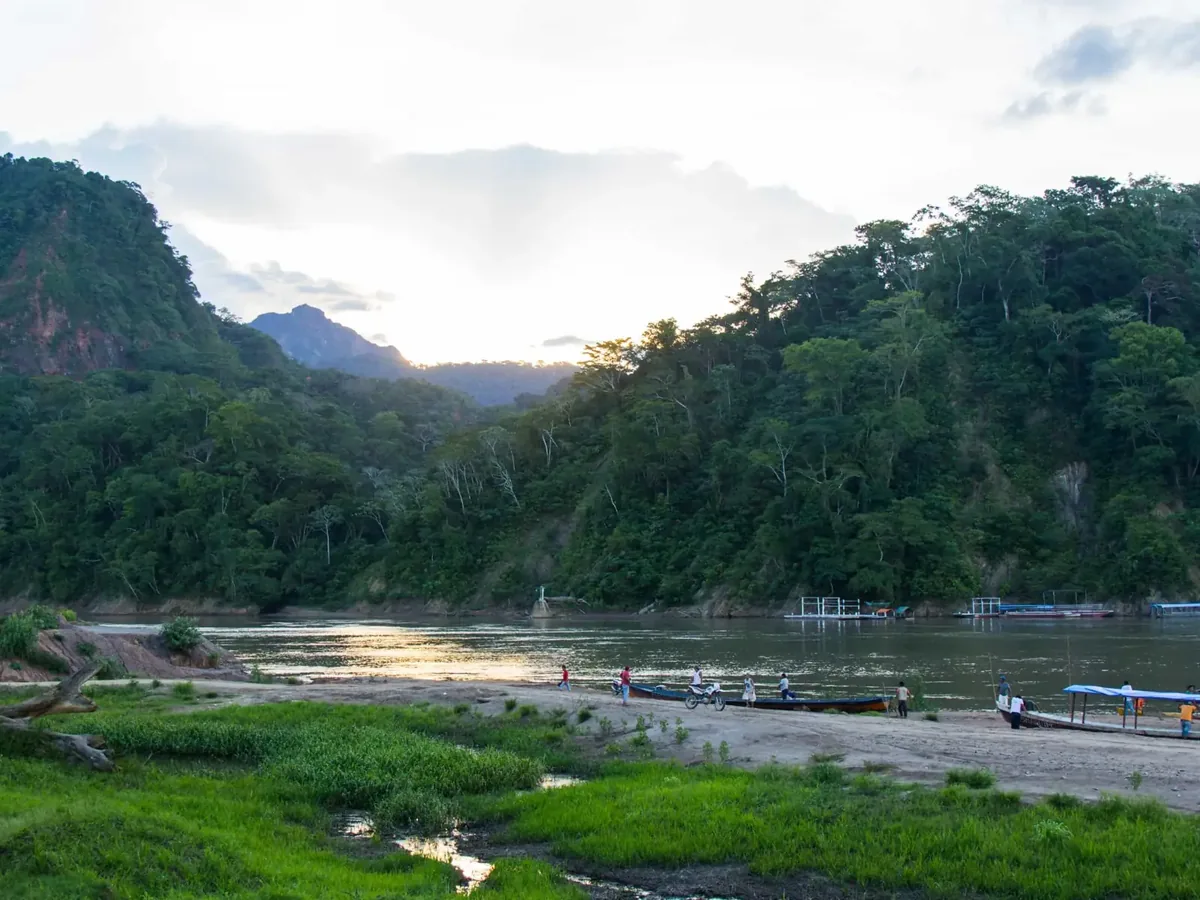
Use the Madidi guide to identify the proposed base and activities before discussing access. Ask the operator to explain the route from the meeting point, each transport stage and how luggage is handled. Two stays described as Madidi can have different arrival arrangements; the destination name alone does not define the transfer.
Confirm departure time, usable exploration time on arrival day and the final morning's plan. Ask how an arrival delay changes the program and who will contact you. Knowing which outings remain available after travel is more useful than assuming the entire first day of a package is spent walking in the forest.
Use the Pampas del Yacuma guide to compare the selected base and river activities. Ask which road and boat stages belong to the proposal, who operates them and where the nature program begins. Check whether the quoted package includes all transfers or only those after reaching a particular meeting point.
Request an arrival and departure outline that shows movement and observation separately. A transfer can be part of the landscape experience, but it should not conceal lost exploration time. For a group with different comfort needs, clarify seating, boarding assistance and rest opportunities before accepting the route rather than leaving those questions until departure.
A town night can be worth considering when arrival timing, an early tour departure or a fixed onward booking creates a tight connection. Ask the planner to compare a direct connection with a more relaxed version using your actual dates. There is no universal buffer that fits every route and traveler.
Identify the cost of a missed connection and which party coordinates changes. Keep essential contact details and meeting instructions available offline. A clear contingency plan says who you contact, when you will receive updates and which bookings can move; simply calling an itinerary flexible does not explain what happens if travel is interrupted.
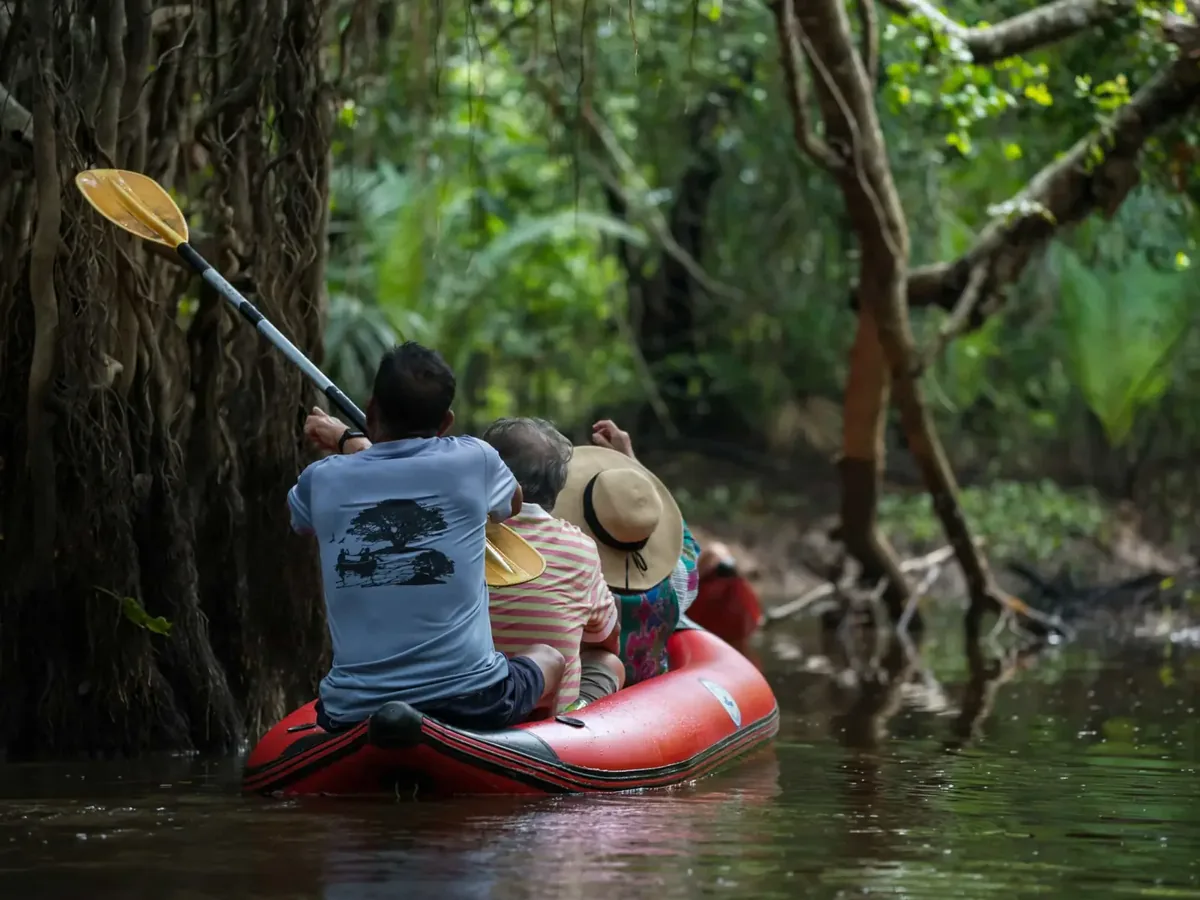
Use the combined journey guide when moving between forest and pampas. Ask for both overnight bases, the changeover route and the portion of the day spent traveling. Do not judge a combination only by its overall length: one extra transfer can change the time available for walks, river outings or rest at either base.
Compare a focused stay with the combination on the same dates. If the changeover leaves one setting rushed, prioritize your preferred environment instead of adding another destination automatically. Request a written description of inclusions, luggage arrangements and responsibility for the connecting stage so that the transition is as clear as the individual stays.
Use the packing guide to prepare a manageable bag once the operator has confirmed luggage limits and handling. Ask whether larger luggage can be stored, where storage happens and what security arrangements apply. Keep documents and essentials accessible without opening your entire bag during every transfer or activity.
Explain mobility, boarding or assistance requirements before choosing a proposal. Request concrete information about surfaces, steps, vehicles and boats instead of relying on a general accessible label. The accommodation guide helps connect these questions with the overnight setup; practical comfort includes the route to the room as well as the room itself.
Use the timing guide for regional seasonal context, then obtain a current update on your selected route. Ask whether transport stages, meeting times or activities have changed. A published overview cannot establish today's road conditions, river access or operating schedule, and an old photo does not show what is possible on your travel date.
Keep transport confirmations, provider contacts and change terms together. Before committing to tightly connected onward travel, ask how the return timing is expected to work and what happens if it changes. Review official entry requirements separately for your nationality and journey; this access guide does not replace those individual checks.
Use the Bolivia planning guide to share your dates, number of travelers, arrival outline and preferred forest or pampas experience. Mark confirmed bookings clearly and identify any flexibility. Include luggage, boarding and comfort requirements so that the planner can assess the complete journey instead of selecting a stay first and solving transport afterward.
Before booking, request the final route, meeting instructions, included transfers and change arrangements in writing. Compare the usable time at each base, not just nights away. Keep the wildlife guide nearby when setting priorities: good access planning gives you time for patient observation rather than making every outing compete with the next connection.
Rurrenabaque is the regional gateway. Confirm the meeting point and onward route for the particular Madidi or pampas proposal.
Check current services directly before booking. Older destination pages may contain airline names, prices and schedules that no longer apply.
Compare that option when arrival or onward connections are tight. The useful buffer depends on your actual route and bookings.
Ask for a written list of included stages, meeting instructions, baggage arrangements and responsibility for changes.
Share dates, arrival plans and practical needs to connect the route, accommodation and activities.
Share your plansBolivia overview · Plan your journey · Rurrenabaque · Madidi · Pampas del Yacuma · Forest or pampas · Forest and pampas · Accommodation · When to visit · Wildlife · What to pack
Editorial review: October 7, 2026. General trip preparation; confirm current services, supplied equipment and conditions with the provider. Older airline, schedule and fare details from the access source are not presented as current. Images illustrate landscapes and experiences; they do not identify booked properties or guarantee sightings.