
Wear and carry
Plan comfortable clothing, walking footwear and rain protection.
BOLIVIAN AMAZON
Pack for the days you will actually spend outside. Build a light, practical kit for forest walks, river outings and comfortable nights, then confirm what your provider supplies.
Plan this journey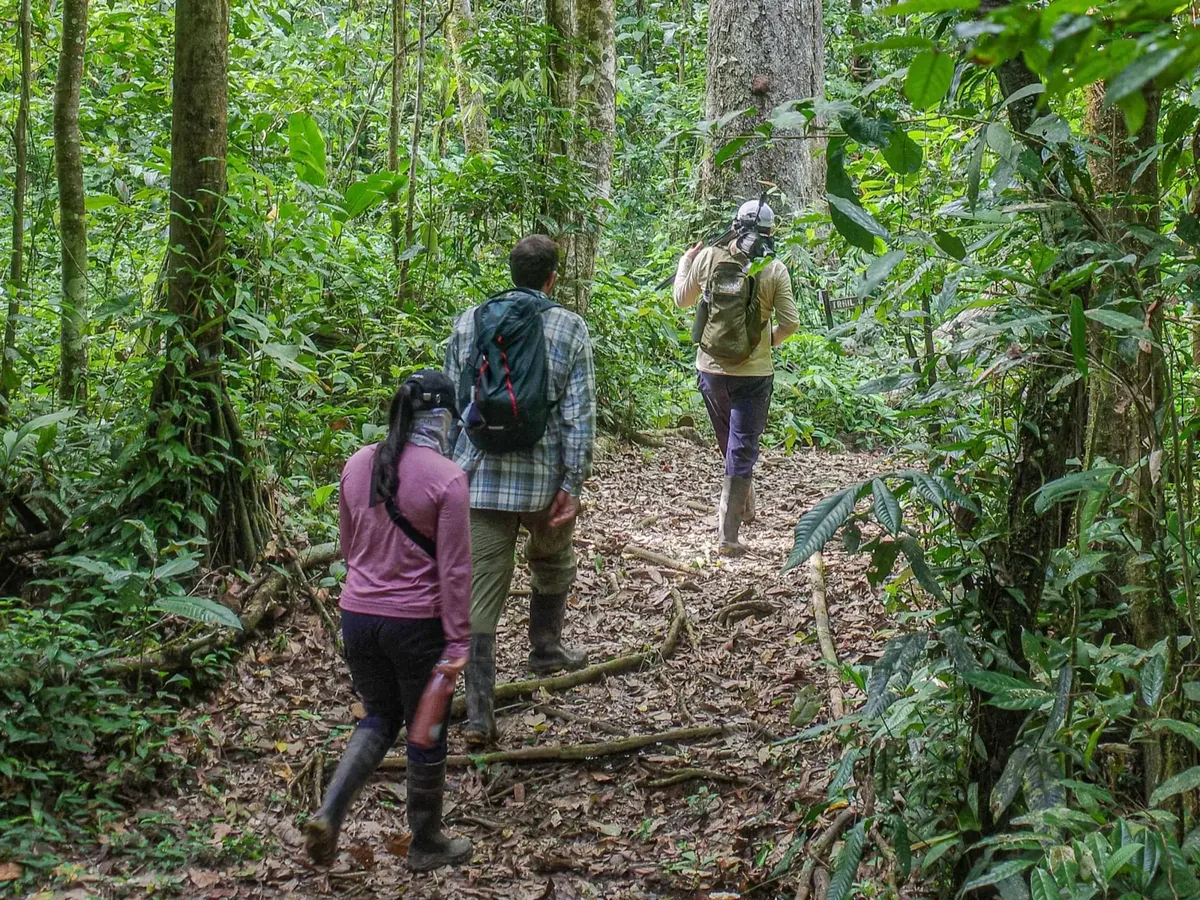
AT A GLANCE
Prepare clothing, rain protection, light and observation gear around your actual activities.
Plan comfortable clothing, walking footwear and rain protection.
Keep binoculars, camera, light and cables manageable.
Check the actual lodge and operator list before buying more.
Start with the Madidi guide and the Pampas del Yacuma guide to understand the proposed walks, river outings and overnight bases. Pack for those activities rather than assembling an expedition kit for every possible Amazon journey. The regional destination council recommends walking footwear, long clothing, rain protection, a hat, a light and a small backpack.
Separate what you will wear, what belongs in the outing bag and what can stay at the accommodation. Confirm any equipment supplied by the operator before buying duplicates. A practical kit leaves room to move comfortably and keeps essentials easy to reach during travel, without forcing you to carry your entire luggage on every outing.
Bring comfortable long trousers and long-sleeved tops for time outside, with spare clothing for the length of your stay. Favor pieces you can move in and combine rather than an outfit for every activity. Try your walking clothes before travel, especially when you expect to carry a camera or spend time sitting in a boat.
Include a warmer layer: the council's climate guide describes occasional cold fronts, so preparing only for heat misses part of the regional pattern. Use the timing guide to connect clothing with your dates and a current forecast. Keep one dry change separate from the clothing used outside so that a wet outing does not determine your evening comfort.
Choose comfortable walking footwear suited to the operator's described surfaces. Ask whether boots are supplied or required, what sizes are available and whether you need your own socks or insoles. Do not assume all stays provide the same equipment; confirm this with the selected base rather than relying on a photograph from another lodge.
Pack a simple second option for resting if useful for your accommodation. Wear walking shoes before departure to check fit, and keep spare socks accessible. Explain any balance, foot or mobility requirements to the provider early. The best footwear choice supports your actual outings; it does not solve a route whose walking demands are unsuitable for you.
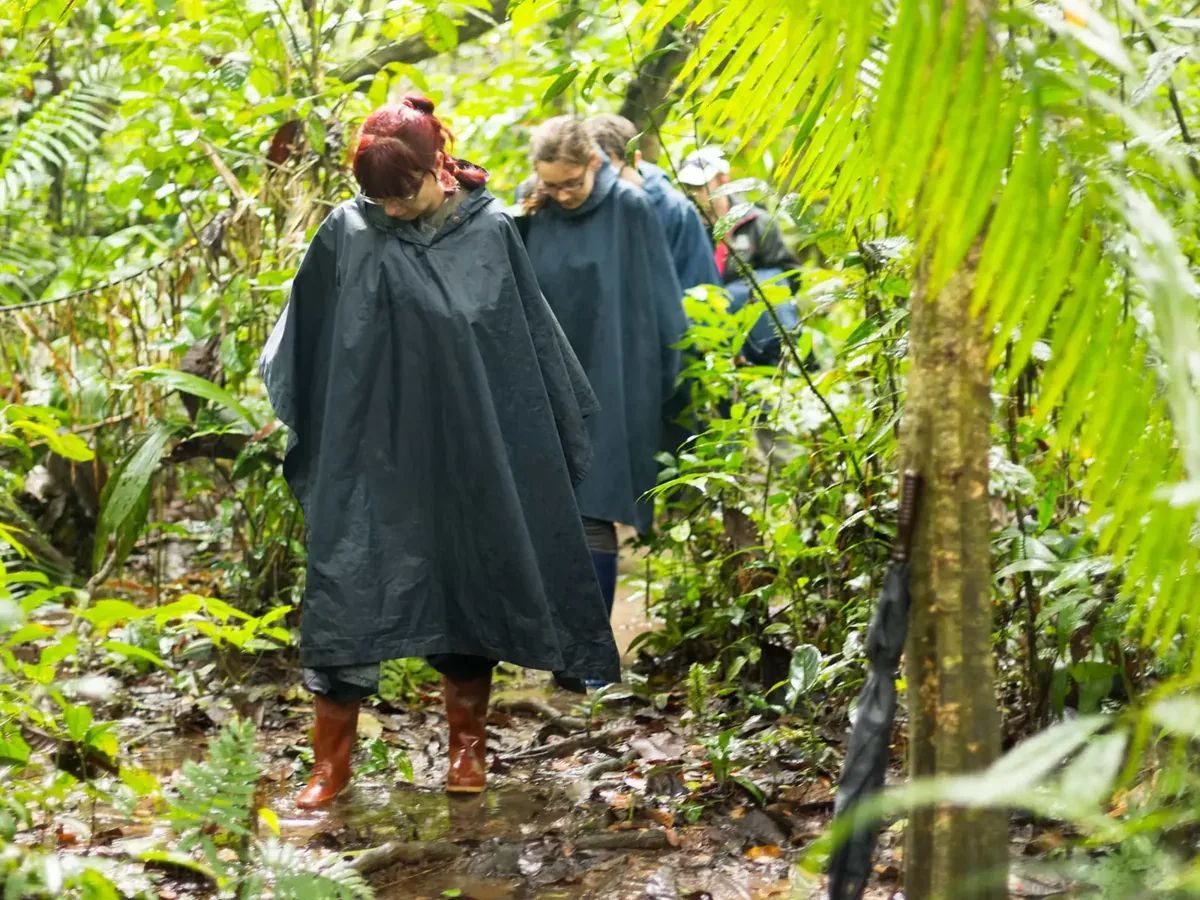
Carry a rain jacket or poncho that works with your outing bag and the movement needed for the planned activities. Test the combination at home: protection that is buried at the bottom of a full bag is difficult to use promptly. Ask the guide how to organize belongings during boarding and river travel.
Use waterproof protection for documents, electronics and your dry change. The council specifically recommends protecting equipment during river and lagoon journeys. Keep wet clothing separate after an outing, and check whether there is a place to dry it. No bag setup guarantees protection in every situation, so carry only the equipment you are comfortable managing.
Use the wildlife guide to decide what supports your interests: binoculars for distant details, a camera you know how to use and enough practical storage for the planned stay. Practice with unfamiliar equipment before departure instead of spending limited observation time learning controls while the guide and group wait.
Keep the kit proportionate to what you enjoy carrying. For photography, ask about pauses, group format and how gear is secured on transfers. Patient viewing matters more than bringing every accessory. Avoid equipment choices that encourage close approaches or disturbance; a good image should fit respectful observation rather than determine the animal's experience.
Bring a flashlight or headlamp with an appropriate power supply, as the council recommends. Ask the accommodation about charging arrangements, power availability and where equipment can be kept safely. Do not infer continuous electricity, connectivity or compatible charging from a lodge's appearance; these are details to confirm for the actual stay.
Pack the cables you use and keep them together. If carrying a power bank, check the transport provider's current battery rules before travel. Discuss evening activities and the route between shared spaces and your room. Useful preparation means having light when you need it without adding unnecessary electronic equipment to a short visit.
Carry a refillable bottle and confirm how suitable drinking water is supplied during transfers, outings and the stay. The council recommends a water bottle and sun and insect protection; choose products you can use according to their instructions. Keep these reachable in the day bag rather than packed with items needed only at night.
Take your usual personal essentials and plan any individual health needs with a qualified clinician before departure. Ask the operator about practical storage or dietary arrangements that matter to you. This packing guide is general trip preparation, not medical advice; do not use an equipment checklist to decide on vaccines, medication or treatment for your particular journey.
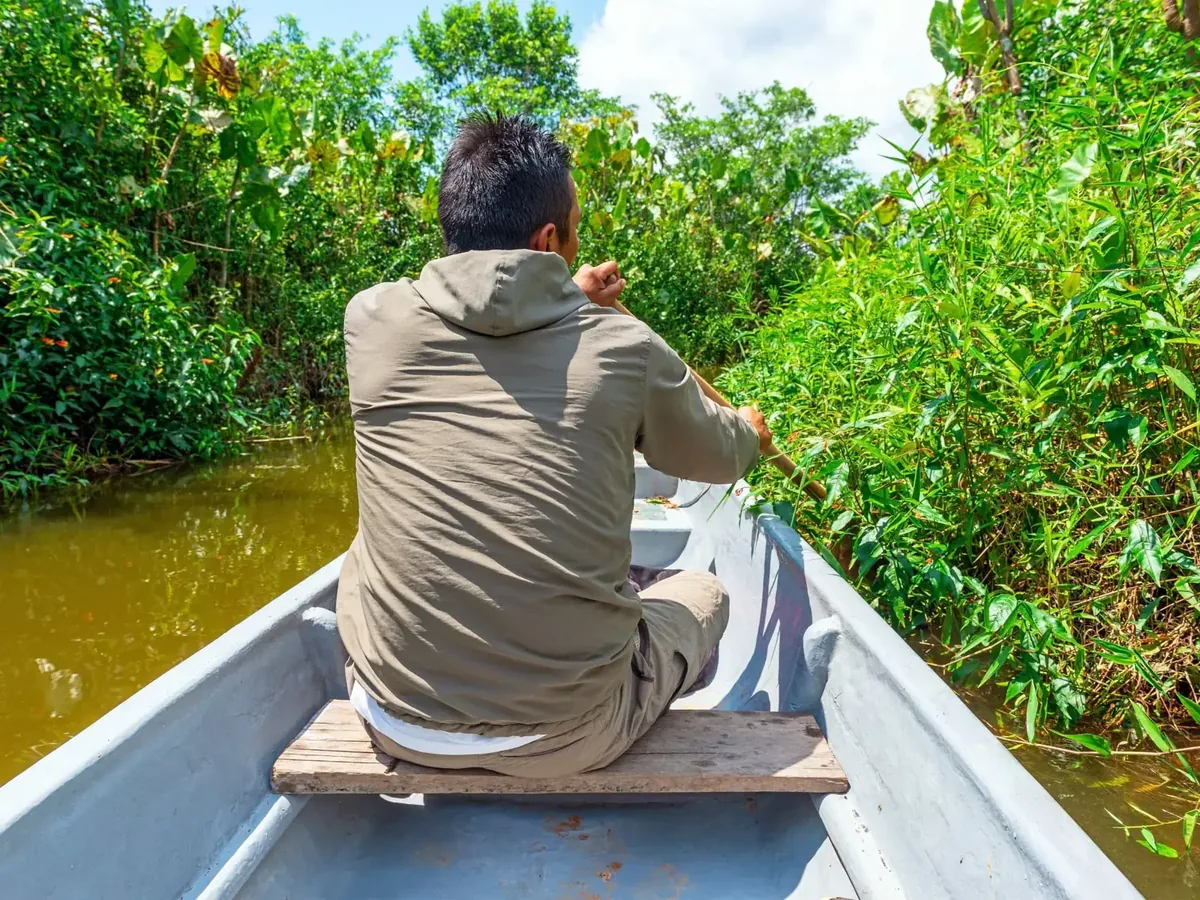
Use the access guide to confirm baggage limits, vehicle or boat handling and any storage option before packing a large case. A smaller outing bag can help separate daily essentials from overnight luggage. Ask exactly where stored belongings remain, whether storage costs extra and how you collect them after the nature stay.
For a combined journey, consult the combined journey guide and keep the transfer day's essentials accessible. Label your bags and leave room to separate damp clothing. Compare the value of an extra item with carrying and handling it at every stage; the right packing choice is the one that works throughout your itinerary, not only inside the room.
Use the accommodation guide to confirm supplied bedding, towels, footwear and any other equipment relevant to the proposal. Ask for the operator's current packing list and identify differences from this general guide. Check weather and activity updates shortly before travel, then remove duplicate or unnecessary items instead of expanding the bag automatically.
Use the Bolivia planning guide if comfort or equipment needs affect your choice of stay. Share those needs before booking and keep agreed arrangements with your travel details. A finished packing plan should explain what you bring, what is supplied and what remains to confirm, leaving you ready to enjoy the landscape rather than manage a pile of unused gear.
Start with comfortable long clothing, walking footwear, rain protection, a hat, light, water bottle and protection for documents and electronics. Adapt the kit to your activities.
Ask the selected operator whether boots are required or supplied, which sizes are available and what you should bring yourself.
Confirm the actual accommodation’s power and charging arrangements. Do not assume continuous electricity or connectivity.
Check transfer limits, handling and storage first. Separate an outing bag from overnight luggage and carry only what works for your complete journey.
Share dates, arrival plans and practical needs to connect the route, accommodation and activities.
Share your plansBolivia overview · Plan your journey · Rurrenabaque · Madidi · Pampas del Yacuma · Forest or pampas · Forest and pampas · Accommodation · When to visit · Wildlife · Getting there
Editorial review: October 7, 2026. General trip preparation; confirm current services, supplied equipment and conditions with the provider. Older airline, schedule and fare details from the access source are not presented as current. Images illustrate landscapes and experiences; they do not identify booked properties or guarantee sightings.