
Arrival
Confirm the meeting point, who receives you and the connection to the first outing.
BOLIVIAN AMAZON
A riverside starting point for your Bolivian Amazon journey. Connect the town stay with the forest or pampas experience you actually want.
Plan this journey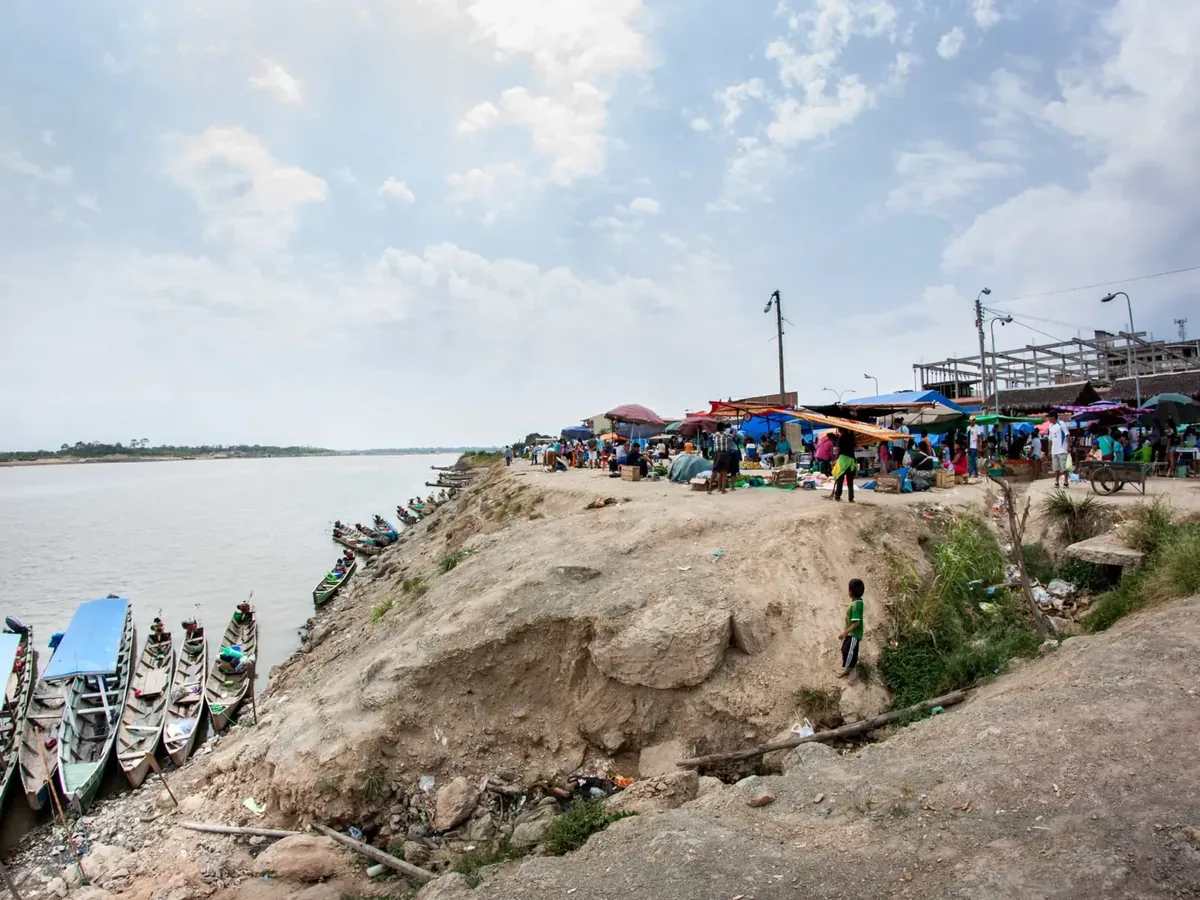
AT A GLANCE
Identify every overnight stop, departure point and included service before choosing your route.
Confirm the meeting point, who receives you and the connection to the first outing.
Compare its role in your route and confirm whether it is included in the program.
Choose forest, pampas or both around your usable time and interests.
Rurrenabaque is one of the municipalities in the Rurrenabaque–Madidi–Pampas tourism destination, in Bolivia’s Beni department. The municipality’s tourism portal connects the town with Madidi and Pilón Lajas. Think of the town stay and the journey beyond it as two related parts of your itinerary, rather than one interchangeable experience.
Begin by asking where your proposed program starts and ends. A town hotel, a forest base and a pampas stay serve different purposes. A useful itinerary names each overnight location, explains the change between them and makes clear which arrangements you organize yourself.
The wider destination brings together rainforest and flooded savannas. For a forest-focused journey, compare the exact Madidi base and activities. For a pampas experience, ask which part of the Yacuma landscape the proposal reaches. The choice should follow your interests, not simply the first departure available when you arrive.
If you want both, request a written changeover plan. Compare the number of meaningful outings with the hours devoted to moving between stays. A combined program is worth considering when each setting gets enough attention; a focused stay may suit you better when the available time is limited.
The Beni River is part of Rurrenabaque’s setting, visible in the town panorama and waterfront photographs on this page. The regional destination also includes San Buenaventura in La Paz department. These place names help you read a proposal more accurately: the receiving town, departure point and overnight base need not be the same location.
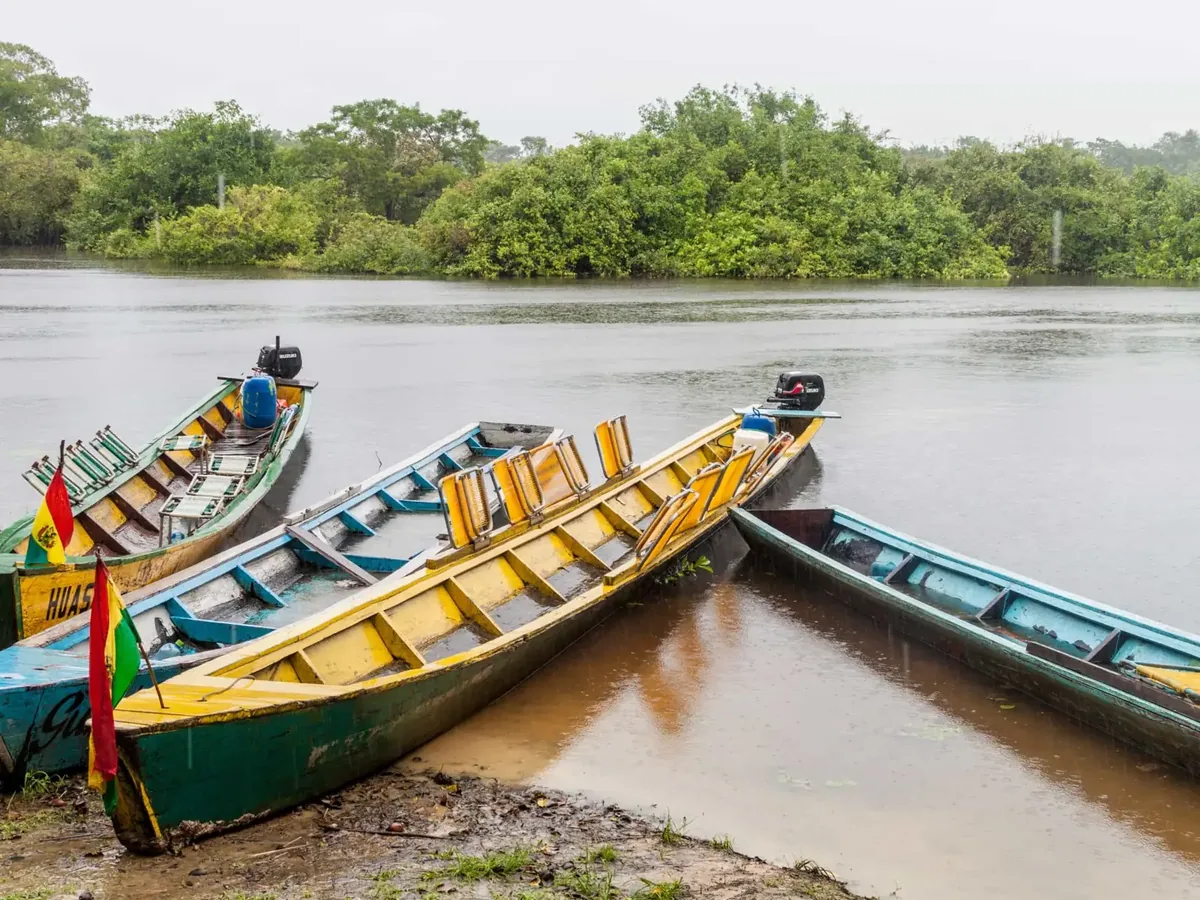
Ask the provider to identify the departure point and the route to your accommodation. If a river journey is included, confirm who organizes it, how luggage is handled and what is supplied on board. Do not convert a photograph or a general route description into an assumed transfer time.
Ask for current transport arrangements for your travel dates, then connect them to the first activity in your program. Confirm whether someone meets you on arrival, where you wait and how you reach the first overnight stop. Keep a contact number and the agreed meeting instructions available offline.
Compare what happens after an early arrival with what happens after a late one. If your arrival changes, you need to know whether the forest departure moves, whether a town night is required and who handles the adjustment. Have this explained before making a separate onward booking.
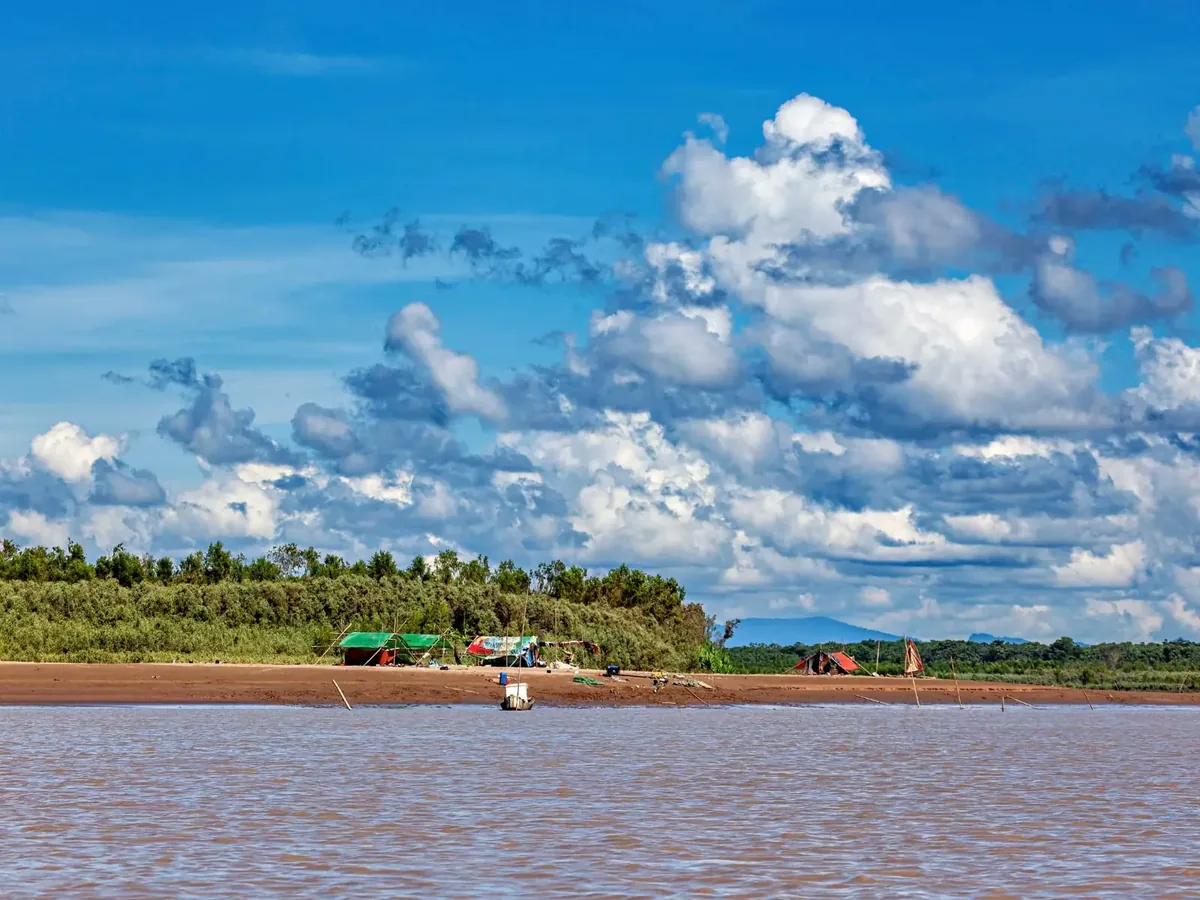
A night in Rurrenabaque can be considered as part of the arrival or return plan, but it should have a clear purpose in your particular itinerary. Compare the option of continuing to the main experience with the option of meeting the provider and setting off later. Ask how much usable exploration time each version creates.
For a town stay, confirm the hotel location, room arrangement, check-in expectations and pickup point. Keep that booking separate in your comparison if it is not included in the main program. Avoid assuming that a trip advertised from Rurrenabaque automatically includes accommodation in the town itself.
The municipality’s tourism portal emphasizes responsible travel and support for local communities. Turn that principle into practical questions: who leads the outings, which language they use and how many travelers share a guide. A private room does not by itself establish a private guiding arrangement.
If the proposal includes a hosted cultural visit, ask which community receives you and how it participates in the experience. Clarify permission for photography and how the visit supports the hosts. Choose encounters that are clearly described and welcomed rather than assuming a community visit is an automatic addition.
Ask the provider to separate arrival assistance, accommodation nights, meals, guiding, transfers and additional charges. Pay particular attention to the handover between your own town booking and the main experience. Know where the included service begins and where responsibility returns to you.
Use the same room and group requirements when comparing proposals. Ask what happens to payments if arrival changes, which services can be rescheduled and which costs are outside the package. A clear written outline is more useful than a headline price that leaves you to assemble the missing pieces later.
Work backward from your onward departure. Confirm the planned return to town, any overnight stop and the contact responsible for the last transfer. Ask how the provider handles changed conditions instead of assuming that the final activity and your onward connection always fit neatly together.
Leave flexibility where the provider identifies a practical need, and consider the implications for separate bookings. Keep essential documents, personal items and contacts accessible during the return. The aim is a complete route that makes sense from first arrival to final departure, not just a strong activity schedule in the middle.
Start with the Bolivia overview to choose the landscape, then use the Bolivia planning guide to organize dates, comfort and transfers. If the forest is your priority, read the Madidi guide before comparing proposals. These guides connect the gateway decision to the experience you want beyond town.
In your inquiry, include your start and end dates, number of travelers, arrival plans and whether you prefer forest, pampas or both. Add any essential accommodation or activity preferences. Ask for an itinerary that names the overnight stops and explains the full sequence rather than relying on the town name alone. Use the forest or pampas comparison to weigh a focused stay against a combined route. Review the combined journey guide and accommodation guide to clarify overnight bases and changeovers within the route. Use the timing guide and wildlife guide to connect conditions and observation interests with the route. Use the access guide and packing guide to prepare connections and essentials around your selected activities.
No. Rurrenabaque is the town in the regional tourism destination; a Madidi forest stay needs its own overnight location, transfer and activity plan.
Compare your arrival and return arrangements with the start and end of the main program. Confirm whether a town night helps and whether it is included.
The wider destination includes both settings. Ask where the proposed route goes and how much usable time it leaves in the environment you choose.
No. Confirm current services and transfer arrangements for your dates directly before making connected bookings.
Share your dates, interests and preferences to explore the options clearly.
Share your plansBolivia overview · Plan your journey · Madidi · Pampas del Yacuma · Forest or pampas · Forest and pampas · Accommodation · When to visit · Wildlife · Getting there · What to pack
Editorial review: October 7, 2026. Sources support the regional and community tourism framework. Confirm current services, routes and inclusions directly before booking. Images illustrate landscapes and experiences; they do not identify booked properties or guarantee sightings.