
Madidi forest
For a forest-focused stay with walking, river travel and patient observation. Confirm the specific area, overnight base and activities in the proposal.
BOLIVIAN AMAZON
Turn your interests into a clear route: compare forest and pampas, map the transfers and choose your overnight experience before booking.
Plan this journey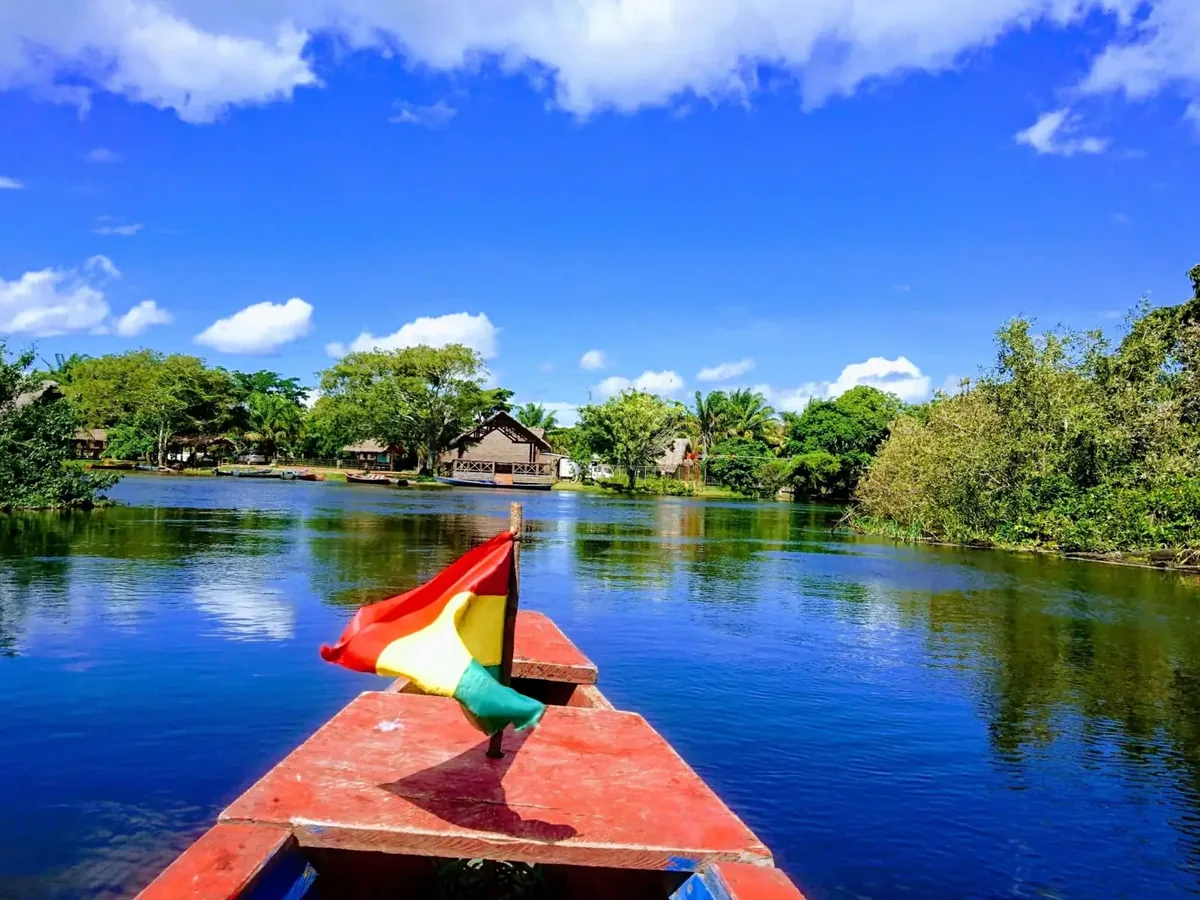
AT A GLANCE
Forest, pampas or both: choose around your interests, then compare exploration time, transfers and accommodation.
For a forest-focused stay with walking, river travel and patient observation. Confirm the specific area, overnight base and activities in the proposal.
For a flooded-savanna setting that differs from the forest. Ask how the route and outings respond to conditions during your travel dates.
For experiencing both settings within one journey. Compare the changeover and usable exploration time in each before choosing a combined route.
Write down the experience you most want from Bolivia’s Amazon region: time in rainforest, flooded-savanna landscapes or a combination. Then identify the pace that suits your group. Photography, walking and quiet observation often need a different daily rhythm from a trip focused on sampling several activities.
Share these priorities before asking for a price. A planner can only make useful trade-offs when they know what matters to you. Name one or two essentials and explain what is flexible, whether that is the room style, the number of locations or the order of the journey.
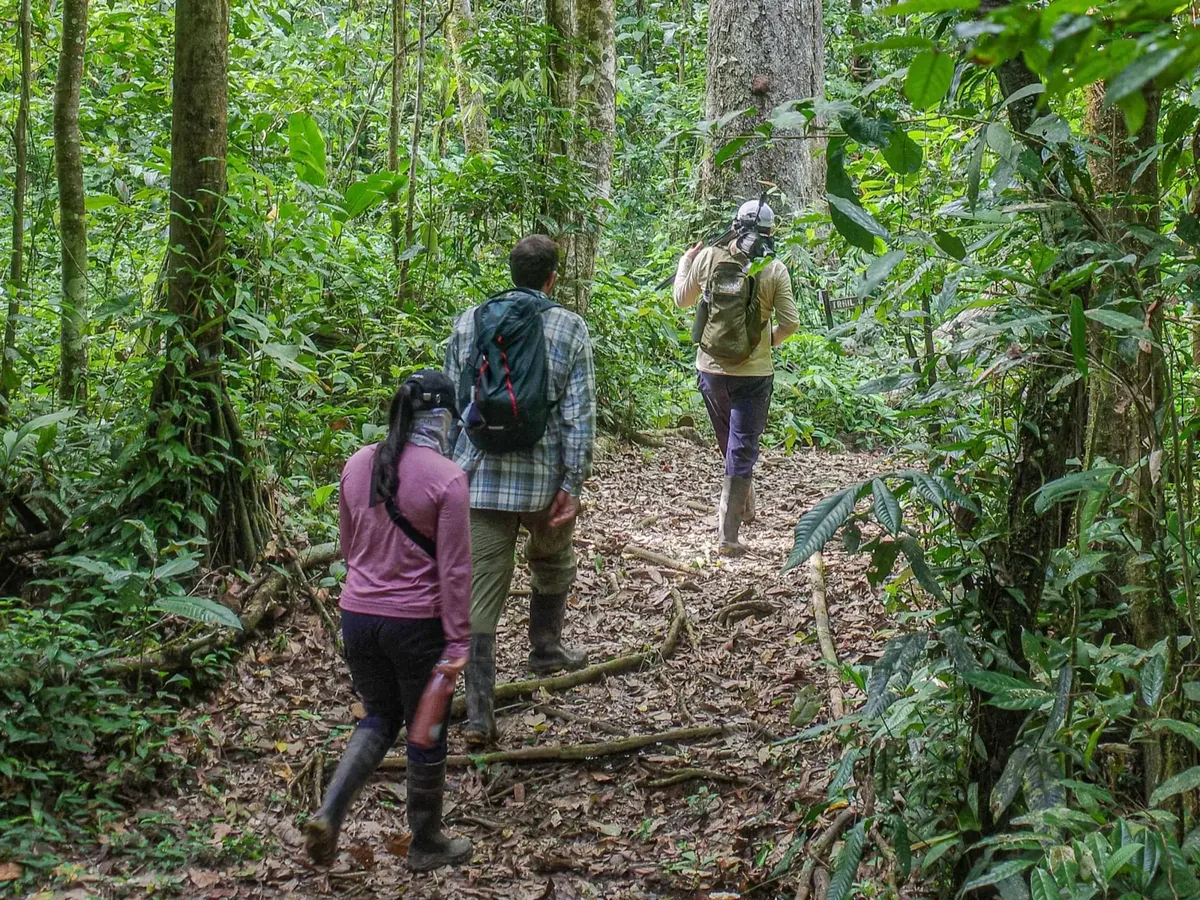
The regional tourism destination connects rainforest with flooded savannas, but the two should not be treated as interchangeable activities. Ask for the actual setting of each overnight stop. A route label is less useful than knowing where you will spend most of your time.
For a combination, request a separate outline for each part and for the changeover. Compare it with a focused stay. If the combined route adds substantial movement while shortening the experience you most value, concentrating on one setting may be the better choice for this visit.
Start with confirmed arrival and departure arrangements, then identify the time genuinely available for exploration. A calendar day containing a major transfer is not the same as a full day at your destination. Ask the provider to show the first and last activities you can realistically join.
Leave some flexibility around important onward connections and ask what happens if an arrival changes. Rather than accepting a universal minimum number of days, compare the usable time in the routes you are considering. The right duration depends on the setting, transfers, activities and pace you choose.
List each point where responsibility changes: arrival pickup, travel to accommodation, activity departures and the return connection. Confirm the meeting place, contact method and what is included at each stage. This makes it easier to understand the whole journey without guessing from a package title.
Ask for current transport details directly. Keep essential contacts available offline and agree how you will communicate if plans change. Do not build a tight connection around an unconfirmed timetable or an estimated transfer quoted without reference to your particular route and dates.
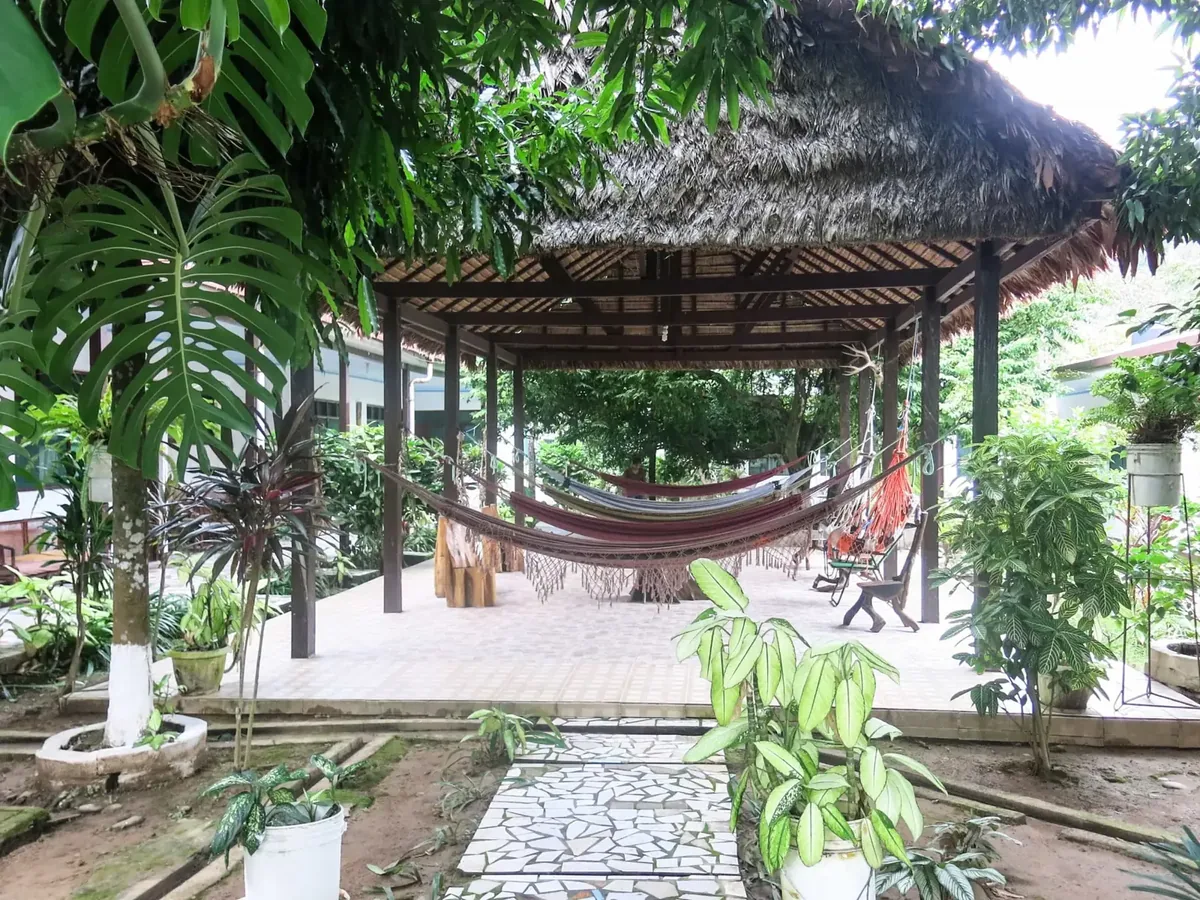
Ask for the room and bathroom arrangement, the practical availability of electricity, meals and drinking water, and any limits that affect your stay. If privacy or a particular comfort is important, have it confirmed before payment. A general description such as “comfortable lodge” is not a specification.
Discuss dietary needs, mobility considerations and traveling with children early. Ask how activities can be adapted and what support is actually available. Choose the format that suits your group rather than assuming that a remote setting, a higher price or an attractive photograph guarantees the right experience.
Wildlife interests can shape a route without becoming a list of guaranteed sightings. Tell the planner whether you prefer birds, broader animal observation, forest details or photography. Ask how the guide balances your interests with the conditions encountered on the day.
Compare group size, guiding arrangements and the flexibility to linger. Ask whether photography changes the schedule or requires a private format. Avoid proposals built around feeding, handling or staged encounters. The aim is a patient, respectful experience even when the animals you hoped to see remain out of view.
Compare accommodation nights, meals, guiding, transfers, group format and extra charges line by line. Ask whether a quoted amount applies to each person or the whole group. Request payment and cancellation terms in writing and identify any items that remain outside the quoted total.
Consider the cost of the full journey, including overnight stops around the main experience. A cheaper package can be a poor fit if it removes the observation time or comfort that matters most to you. Use the same travel dates and requirements when asking providers for comparable proposals.
Ask the provider for a route-specific packing list and any luggage limits. Plan for footwear and clothing suited to the activities described, protection for equipment and a way to keep essential documents and contacts accessible. Confirm what the provider supplies before buying or carrying duplicate items.
For personal health questions, use qualified professional advice rather than a generic packing guide. For entry requirements and current travel advice, check official sources applicable to your nationality and itinerary before booking. A tourism description cannot establish whether a particular journey is suitable for you.
Include your start and end dates, number of guests and preferred environment. Explain your pace, accommodation priorities and the activity you would most regret missing. If you are still deciding between forest and pampas, say so; you can compare options before committing to one. For the gateway details, read the Rurrenabaque guide; for a forest-focused stay, continue with the Madidi guide.
Use the country overview to revisit the main landscape choices, then send your outline through the inquiry form. Ask for a proposal that explains the route and its assumptions. Before booking, resolve the unanswered questions about current arrangements, inclusions and what happens if conditions change. Use the forest or pampas comparison to weigh a focused stay against a combined route. Review the combined journey guide and accommodation guide to clarify overnight bases and changeovers within the route. Use the timing guide and wildlife guide to connect conditions and observation interests with the route. Use the access guide and packing guide to prepare connections and essentials around your selected activities.
Compare usable exploration time after transfers. There is no single duration that suits every forest, pampas or combined route.
Your dates, guest count, preferred environment, pace and accommodation needs help shape a useful proposal.
It should identify accommodation, meals, guiding, transfers, group format, extra charges and payment or cancellation terms.
Yes. Check current arrangements and the full arrival-to-departure sequence directly before committing to connected bookings.
Share your dates, interests and preferences to explore the options clearly.
Share your plansBolivia overview · Rurrenabaque · Madidi · Pampas del Yacuma · Forest or pampas · Forest and pampas · Accommodation · When to visit · Wildlife · Getting there · What to pack
Editorial review: October 7, 2026. Sources support the regional distinction between rainforest and flooded savannas. Confirm current routes, services and inclusions before booking. Images illustrate landscapes and experiences; they do not identify booked properties or guarantee sightings.