
Cooler regional period
April–August is generally cooler; keep rain and occasional cold fronts in the plan.
BOLIVIAN AMAZON
Choose dates around the journey you want. Compare forest and pampas conditions, transport flexibility and usable exploration time instead of chasing a guaranteed perfect month.
Plan this journey
AT A GLANCE
Compare conditions, activities and usable exploration time without relying on weather or wildlife guarantees.
April–August is generally cooler; keep rain and occasional cold fronts in the plan.
September–March is generally warmer; discuss shade, rest and activity alternatives.
Confirm conditions at the chosen bases and the complete transfer plan.
The destination council describes a tropical Amazon climate, with rain still possible during drier periods. Its regional guide identifies April to August as cooler and September to March as warmer, with winter generally drier. These are broad planning patterns, not a forecast for a particular lodge, river journey or arrival day.
Use your preferred dates as a starting point rather than searching for a month that guarantees every activity. Ask the provider how the selected Madidi or pampas route usually works at that time and what current conditions indicate. The best choice is the one that fits your interests and leaves a workable complete journey.
If you prefer to explore during the generally cooler part of the regional year, discuss April to August with the planner. Ask how daily outings, clothing needs and the overnight setup fit your comfort. A broad seasonal label should not substitute for details about the actual accommodation and the activities you will do.
The regional climate guide also describes occasional cold fronts known locally as sures. Include a question about layers and practical comfort instead of preparing only for heat. Rain remains part of the planning picture; confirm what happens to a walk, a boat outing or a transfer when conditions differ from the sample itinerary.
For dates within the generally warmer September-to-March period, ask about shade, rest and the daily rhythm at the proposed base. The destination council places the wetter pattern in summer and part of spring. Treat this as context for questions about your dates, rather than a reason to promise or rule out a whole experience.
Request an explanation of route alternatives and the handling of changed outings. Compare the guide’s communication and the accommodation arrangements as well as the advertised activities. If your main interest is photography or walking at a relaxed pace, make that clear so that the proposed program reflects how you want to spend time outside.
Use the Madidi guide to identify the base and activities before applying a seasonal label to the stay. Ask about walking surfaces, typical time outside, rest options and how river travel fits with exploration. The conditions of one forest itinerary cannot be assumed for every location described as Madidi.
Confirm how the provider adapts walks and the arrival-to-base journey for your dates. Ask whether a shortened outing has another worthwhile option and what the first and final days contain. This turns timing into a practical discussion of usable forest time instead of a comparison of generic weather descriptions.
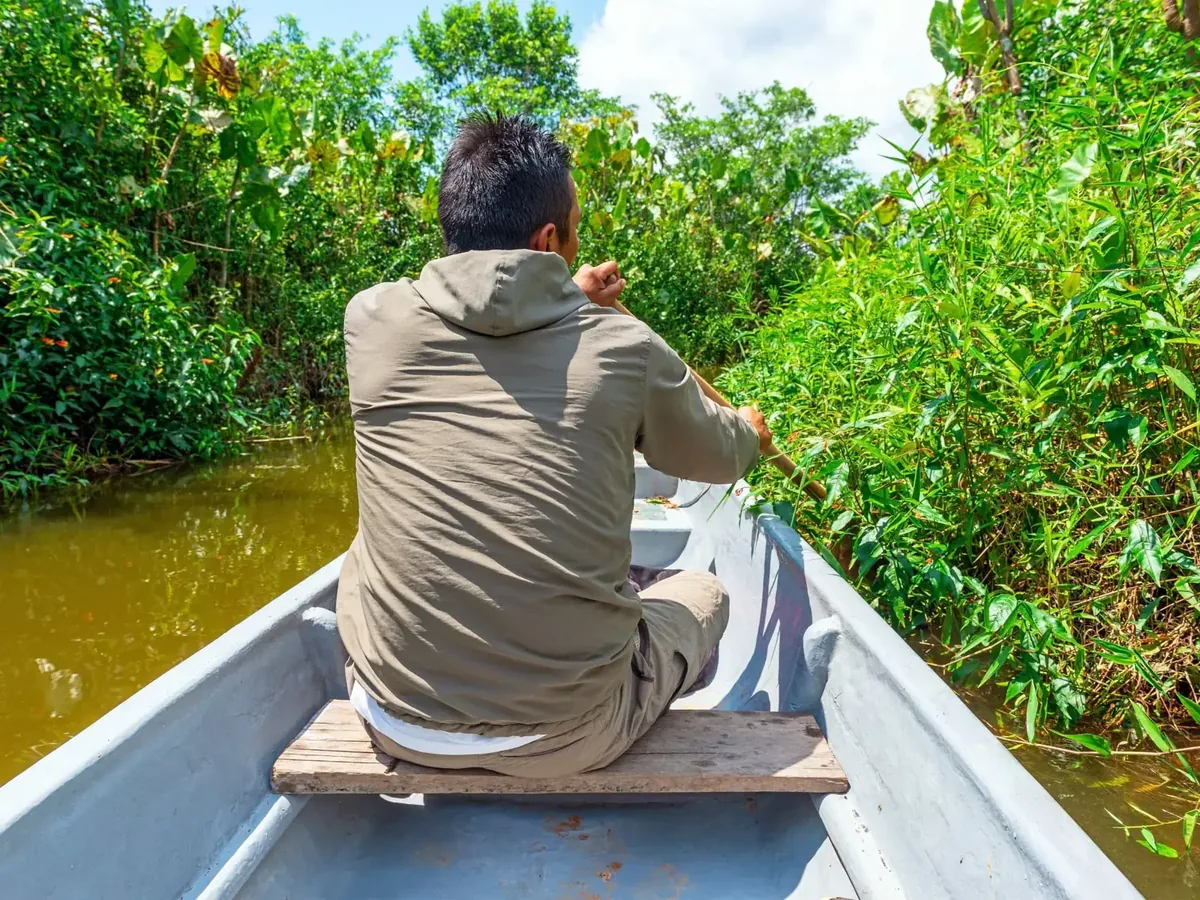
WCS describes Pampas del Yacuma as a landscape shaped by annual flooding. Ask how the current water and ground conditions affect the chosen route and the activities available from the overnight base. A sunny day does not by itself explain where the guide can travel or how the landscape will look.
Use the Pampas del Yacuma guide to compare river outings, observation pauses and accommodation. Request alternatives if an advertised activity is not suitable during your visit. Photographs from another date illustrate the setting; they should not become a promise about water levels, accessible banks or a particular wildlife encounter.
Use the Rurrenabaque guide to connect the gateway with the actual stay. Confirm current transport arrangements, meeting points and the return plan before making a tight onward booking. Ask how changes are communicated and whether a town night would make the arrival or departure more practical for your route.
Compare the time available after arrival and before leaving the base. If one version loses an outing to transport, let the itinerary show that clearly. Flexibility is useful only when you understand who coordinates the transfer, what alternatives are offered and what costs or changes remain your responsibility.
Use the combined journey guide to examine the changeover between forest and pampas. Ask the planner to show both overnight bases and the transport stages rather than hiding the movement inside the package length. The time needed for your chosen combination depends on the actual route and arrangements, not a universal number of days.
Compare a focused stay with the combined version using the same dates and comfort requirements. Count worthwhile outings and rest at each base. If limited time leaves one setting rushed, prioritize the environment that matters most to you and keep the second for another journey instead of compressing both automatically.
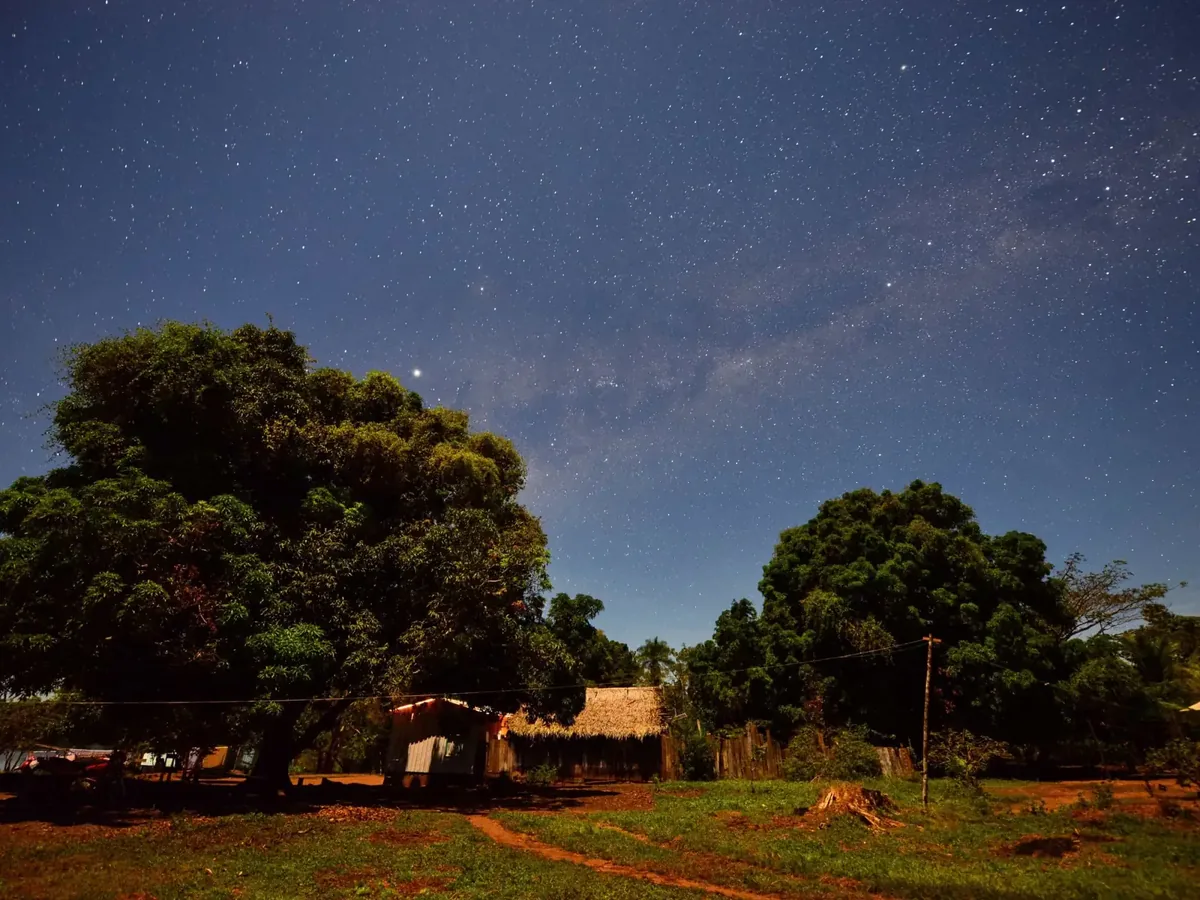
Use the wildlife guide to explain whether birds, habitat details, broader animal observation or photography matter most. Ask what guiding approach fits those interests during your dates. Avoid choosing a month because an animal list has been presented as a guarantee; regional wildlife presence is not a promise for an individual outing.
Discuss time to pause, group size and the option to adapt the daily pace. For equipment, ask how it can be protected during rain or transfers. A well-planned visit leaves room to enjoy what is encountered rather than making its value depend on a specific scene appearing under a particular sky.
Keep the regional seasonal overview separate from current information. Before booking, confirm the route, operating arrangements, accommodation and change terms for your dates. Closer to departure, review the provider’s update and a current local forecast, especially when you have connected bookings or essential comfort requirements.
Use the Bolivia planning guide to send your travel window, number of guests, main interests and arrival outline. Indicate whether dates can shift or are fixed. Ask for a proposal that explains both the usual pattern and the practical response to changed conditions without pretending the weather can be guaranteed. Use the access guide and packing guide to prepare connections and essentials around your selected activities.
There is no month that guarantees every experience. Compare the regional seasonal pattern with your interests and current conditions on the selected route.
No. The destination council notes that rain remains possible in drier periods; plan activity alternatives and suitable clothing.
Yes. The regional climate guide describes cooler months and occasional cold fronts known as sures. Ask the provider about practical preparation.
No. Use dates to organize activities and access, while choosing respectful guiding and realistic observation expectations.
Share your dates, interests and requirements to compare a focused stay with a well-paced combination.
Share your plansBolivia overview · Plan your journey · Rurrenabaque · Madidi · Pampas del Yacuma · Forest or pampas · Forest and pampas · Accommodation · Wildlife · Getting there · What to pack
Editorial review: October 7, 2026. Sources support destination characteristics; trip-planning recommendations are editorial guidance. Confirm current services, routes and conditions before booking. Images illustrate landscapes and experiences; they do not identify booked properties or guarantee sightings.