
Choose the right dates
Compare conditions with the activities you want.
COLOMBIAN AMAZON
Build your journey around habitats, patient observation and thoughtful guiding. Give river, forest and birdwatching experiences enough time without promising encounters.
Plan this journey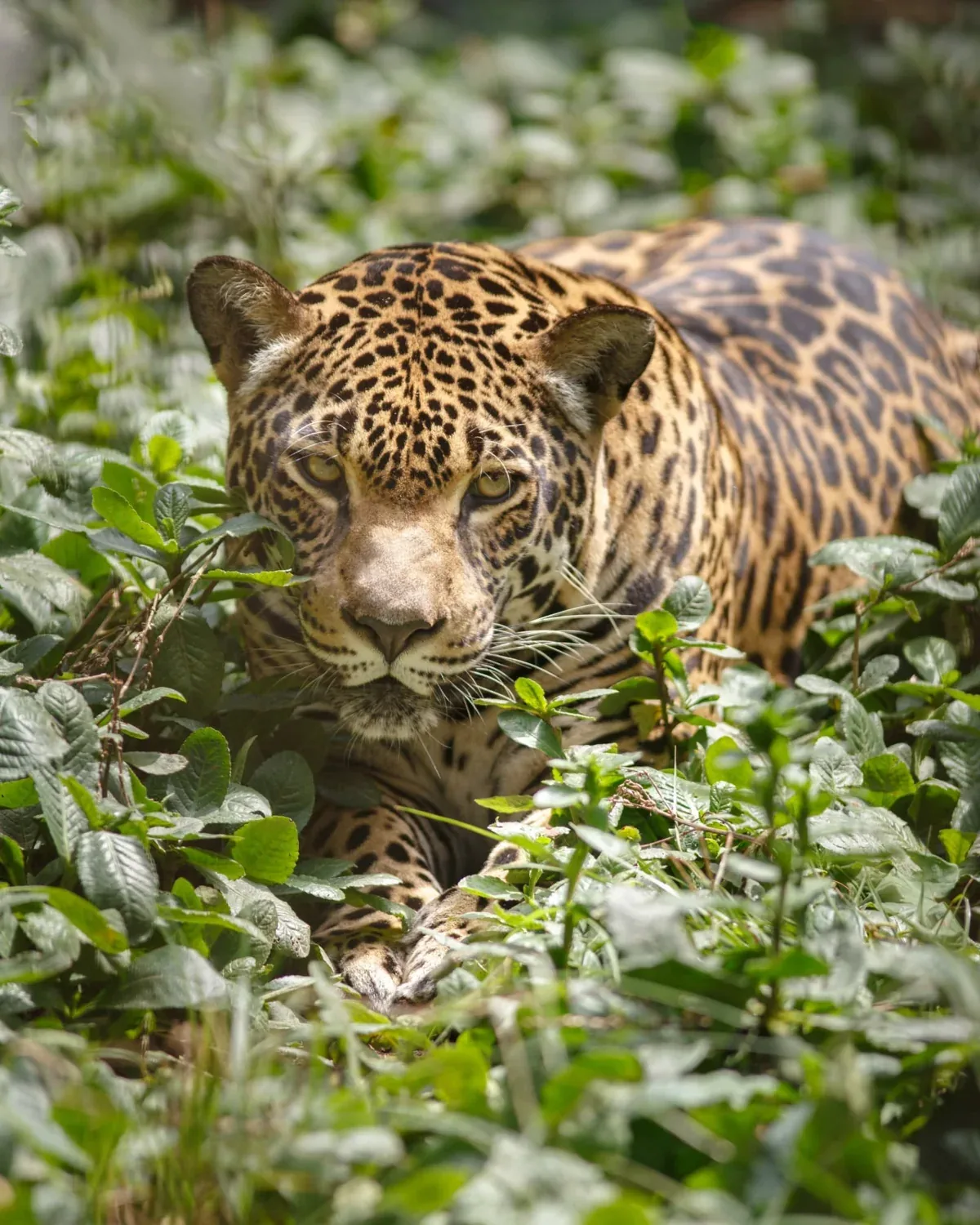
AT A GLANCE
Choose the habitats and pace you value, confirm appropriate guiding and separate observation time from transfers. Species lists describe possibilities; sightings remain uncertain and responsible viewing comes first.
Compare conditions with the activities you want.
Give the lake habitat useful observation time.
Coordinate access with actual excursion time.
A Colombian Amazon wildlife trip is strongest when it combines time in meaningful habitats with interpretation that helps you understand what you notice. Choose between river and lake observation, forest walking and a more focused birdwatching outing according to your interests. The Colombia overview introduces the circuit; the next step is to decide how those experiences fit your nights and transfers, rather than collecting animal names beside a list of attractions.
Amacayacu’s park information identifies both flooded and non-flooded forest environments alongside river systems. These are useful settings to discuss with an organizer, not interchangeable backdrops for the same excursion. Ask what habitat a proposed outing actually visits and how the guide works there. Leave enough time to listen, observe and learn from smaller details as well as conspicuous animals. A full experience can include tracks, vegetation and sounds even when a sought-after species stays out of sight.
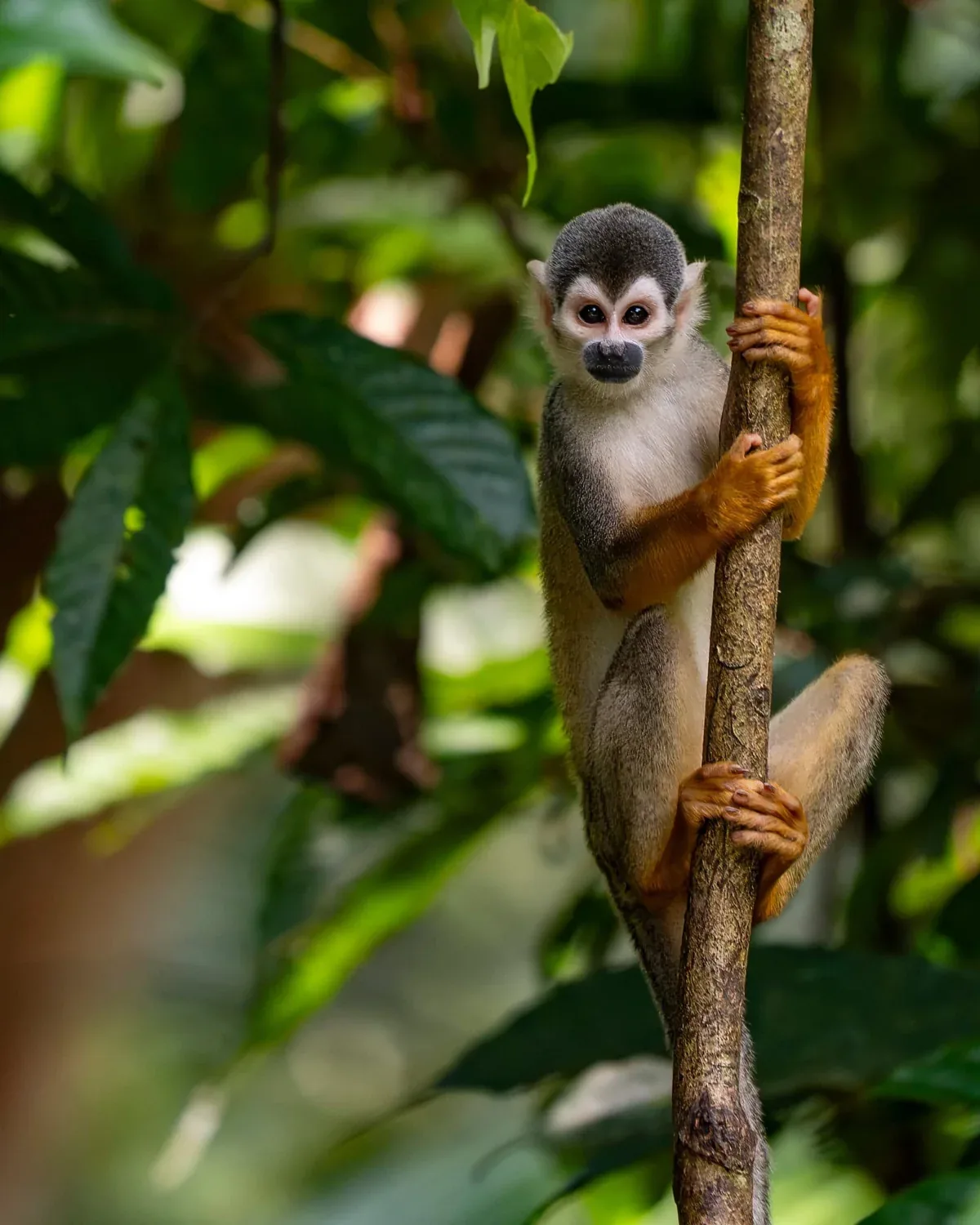
The official Puerto Nariño tourism guide associates Tarapoto with river-dolphin observation. Treat that as a reason to consider the habitat, not a guarantee for your visit. Read the Tarapoto lakes guide and compare the time spent in the intended setting with the journey needed to reach it. A brief stop within a long transfer and a deliberately paced lake outing offer different opportunities to appreciate the landscape.
Agree an observation approach that leaves animals space and lets the guide decide when to move on. Avoid asking a boat to pursue an animal for a closer photograph. Discuss what the outing includes when dolphins remain unseen: interpretation, the lake environment and other observations should still form a worthwhile experience. Choose the excursion for its overall purpose rather than judging the trip solely by a single sighting or image.
The Amacayacu guide provides a starting point for a guided forest visit. Park information records primates including woolly monkeys, but a species list cannot tell you what will be visible on a walk. Ask the guide to explain the setting and the signs you encounter instead of treating the forest as a sequence of scheduled animal stops. Patient interpretation can make an unfamiliar canopy, movement or call easier to understand.
Explain whether you prefer a gentle introductory walk or a longer observation period, and confirm the practical route before booking. Keep the group together and let the guide set the pace appropriate to the conditions. Avoid a plan that relies on feeding or handling animals to deliver a closer encounter. For photographers, discuss the interest before selecting the outing so time and equipment handling fit the experience, while accepting that an unobstructed portrait may not be possible.
A general wildlife outing and a dedicated birdwatching session need different expectations. If birds are a priority, ask about the guide’s experience, the settings proposed and how much time is reserved for observation. State whether you want an accessible introduction, help recognizing calls or a more concentrated photographic session. This allows the organizer to compare suitable arrangements without presenting every general excursion as specialist guiding.
Bring a manageable list of interests rather than requiring a long list of guaranteed species. Ask how the session fits transfers and meals, and whether the group shares that pace. Agree any use of sound playback with the guide and the rules of the place being visited; do not assume it is appropriate everywhere. A carefully chosen observation setting and time to interpret what appears are more useful than adding many short stops that interrupt the session.
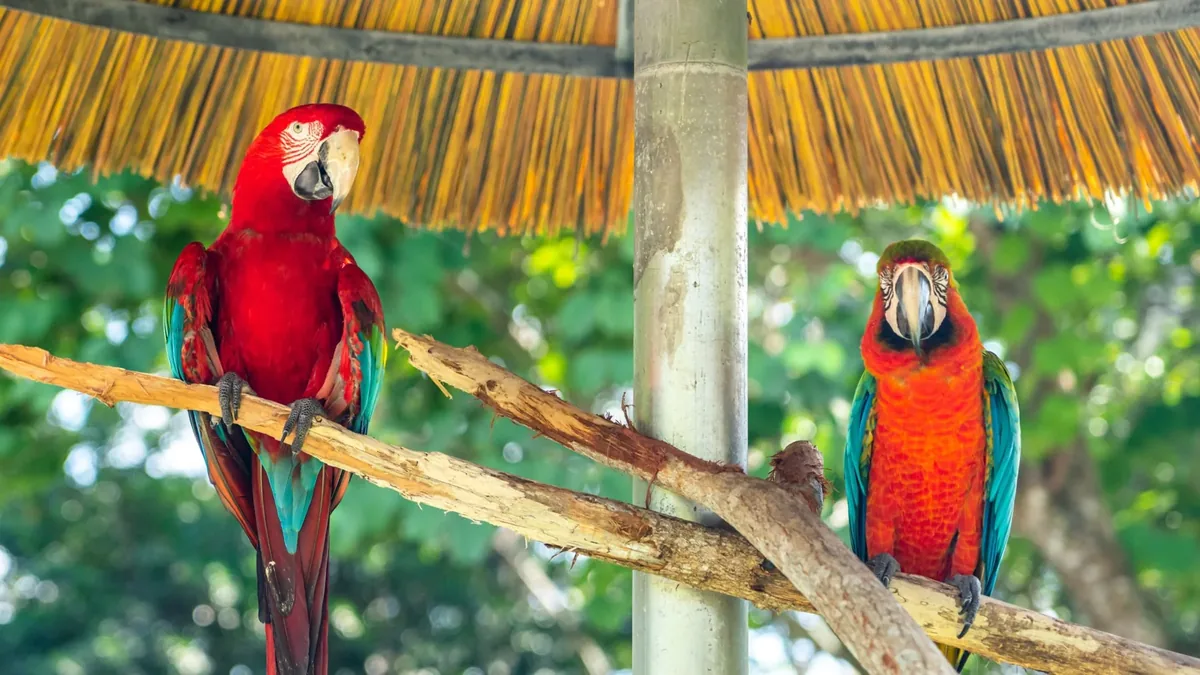
If a night activity interests you, establish whether the proposed outing is a walk or boat excursion, where it takes place and how the return works. Confirm its current availability, guiding and equipment requirements rather than assuming it is included with every Amazon stay. Explain any concerns about footing, darkness or boarding before accepting the plan. Choose an activity the group can enjoy comfortably, without framing an intimidating duration as a necessary part of the experience.
Use lights and other equipment as directed by the guide and keep the group’s behavior consistent with the setting. Ask what the excursion aims to interpret rather than accepting a promise of a particular animal encounter. A shorter, well-explained outing can be more useful than staying out longer solely to chase a sighting. Review the following morning too, especially when an early transfer or another demanding activity is already planned.
Tell the organizer if the group includes children, first-time forest visitors or travelers with different walking and boarding needs. Compare the activity duration, rest opportunities and return arrangements rather than relying on a general family-friendly label. An observation interest can be shared without everyone wanting the same pace. Ask whether the proposed outing allows a comfortable introduction or needs an arrangement designed for more sustained attention.
For photography, keep equipment manageable during transfers and explain any need to pause for setup. Binoculars and patient watching may provide a rewarding view even when a camera cannot produce the desired image. Ask the guide how to balance observation with movement so the outing remains enjoyable for the group. Avoid building the day around repeating the same animal search when a different habitat or interpretive activity would offer a fuller experience.
The Amazon accommodation guide helps compare overnight settings with the outings they support. Ask which activities depart from the proposed base and which require another journey. A riverside image does not establish nearby wildlife access or a specialist guide. Identify the actual services included with the stay and the provider responsible for each one before assuming the accommodation itself supplies a complete wildlife program.
Read the Puerto Nariño guide and Leticia guide alongside the overnight plan. Changing bases can introduce a different setting, but it also takes time for bags, check-in and transfers. Ask what each move adds to the experience. Favor an itinerary that leaves useful observation periods over one that advertises many destinations while spending much of each day connecting them. The right base is the one that supports your agreed activities and practical needs.
Parques Nacionales Naturales advises visitors not to feed wildlife or participate in activities exhibiting animals in captivity. Use that guidance when evaluating an excursion described through close-contact photographs. Ask how an encounter is arranged before booking, and choose observation that allows animals to behave freely. Images of an animal being held should prompt a question about the activity, rather than being treated as evidence of a more rewarding wildlife experience.
Follow the receiving guide’s directions, keep appropriate distance and respect restrictions on access and photography. Community visits deserve their own purpose and permission; they are not wildlife attractions. For photographs of people, ask first. Discuss specialist equipment in advance instead of arriving with assumptions about its use. A responsible journey should make these choices understandable while preserving the pleasure of watching and learning in the landscape.
Use the best time to visit guide to relate your dates to the proposed route, and the river journeys guide to distinguish transfers from observation outings. Send an inquiry with your available days, interests and preferred pace. Mention whether birds, lake landscapes, forest interpretation or photography matter most. Ask for the planned habitats, guiding, activity time and inclusions so you can compare the experience meaningfully.
Keep a few priorities and allow the guide to adapt to what can be observed responsibly. Confirm the actual itinerary and practical needs before accepting a quote. A proposal should explain how your interests shape the journey without claiming that an animal will appear on command. The most useful outcome is a coherent trip with room for discovery, supported by clear guiding and enough time to appreciate each setting. Check the how to get there guide for arrival connections and the packing guide for belongings needed during the actual route.
No. Official tourism guidance identifies dolphin observation as an interest at Tarapoto, but an excursion cannot guarantee a sighting. Allow patient time and responsible distance.
No. Ask about the guide’s experience, intended habitat and dedicated observation time if birdwatching is your priority.
Choose observation that leaves animals free to behave naturally. Park guidance advises against feeding wildlife and activities exhibiting animals in captivity.
Not necessarily. Compare useful habitat and observation time with transfers. Fewer well-planned outings can allow a more patient experience.
Tell us your wildlife interests, dates and preferred pace so observation time can shape the journey.
Share your plansColombia overview · Trip planning · Leticia · Puerto Nariño · Share your plans · Amacayacu · Tarapoto lakes · Accommodation · River journeys · Best time to visit · How to get there · Packing
Guidance reviewed October 8, 2026. Species and habitats describe possible interests, not guaranteed sightings. Confirm the actual guiding, route and permissions for your visit.