
Leticia gateway
Plan the town arrival and onward connection.
COLOMBIAN AMAZON
Build your bag around the journey you have agreed. Keep essentials accessible and confirm what the transport, accommodation and activity providers supply.
Plan this journey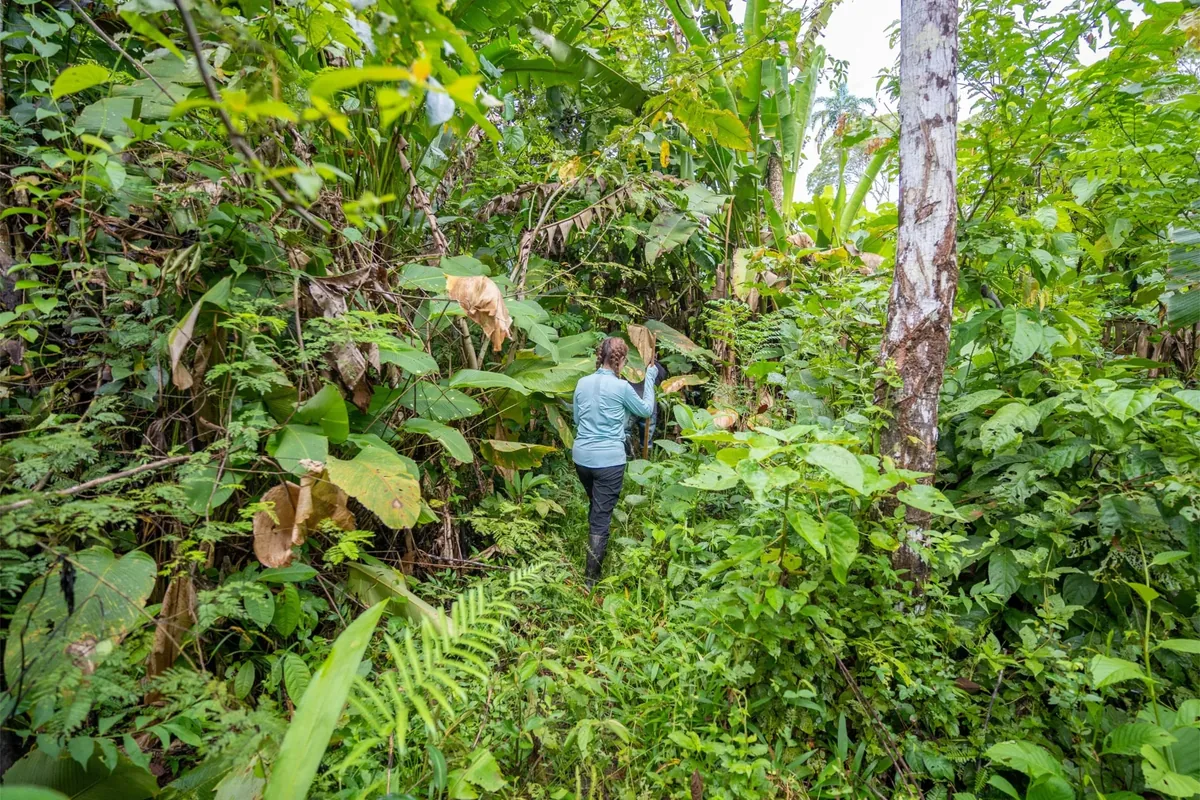
AT A GLANCE
Start with accessible documents and personal essentials, manageable clothing and footwear, and protection for belongings during your agreed route. Confirm baggage limits, provided equipment and charging or water arrangements before adding specialist items.
Plan the town arrival and onward connection.
Distinguish transport from guided outing time.
Connect packing with the actual transport sequence.
A Colombian Amazon packing list should follow your itinerary. Begin with the Colombia trip-planning guide and identify the boat legs, forest activities and overnight settings you have agreed. A stay in Leticia, an upstream base and an individually arranged forest visit can involve different practical needs. Ask what the provider supplies before buying specialist equipment or carrying items that will not be used on the proposed route.
Use the how to get there guide to distinguish what you need during transport from what belongs in the overnight bag. Keep essential documents, pickup details and a small set of personal items accessible when larger bags are being handled separately. Pack in a way you can manage at the landing and between transfers. The best list helps your group move comfortably and enjoy its activities without turning luggage into another complicated part of the itinerary.
Choose comfortable clothing for the activities and walking pace planned with the guide. Include a practical change of clothes and ask how wet items are managed at the accommodation. Amacayacu’s park information describes a humid climate; a comparatively drier travel period does not eliminate the possibility of rain. Avoid planning every day around a single outfit drying quickly or assuming that town facilities are available at every overnight stop. As a starting set, consider lightweight tops, comfortable trousers, spare underwear and socks, and a rain layer suited to the agreed activities.
Discuss any specialist clothing requirement with the provider rather than accepting a universal outfit recommendation for every Amazon activity. Pack items you can comfortably wear while seated on a boat and moving through the agreed setting. Keep the change you may need on arrival accessible. If you will return to a town base between outings, ask whether that changes the amount you need to carry during an excursion instead of transporting the complete overnight bag everywhere.
Ask which footwear suits the actual walk and whether any activity equipment is supplied in the right size. Confirm where you will be walking, how long you expect to be away and how boarding works at the landings. A generic photograph of a forest trail cannot establish the ground conditions for your visit. Discuss comfort and any mobility needs before accepting the activity, so footwear choices support a route the group can enjoy.
If borrowed boots or other equipment are offered, confirm the arrangement in advance and ask what personal items are needed with them. Bring a practical alternative for time at the accommodation if it fits your luggage allowance. Avoid testing uncomfortable new footwear for the first time during an important outing. Keep the plan manageable: choosing the right activity and pace matters more than carrying equipment intended to compensate for a route that does not suit the traveler.
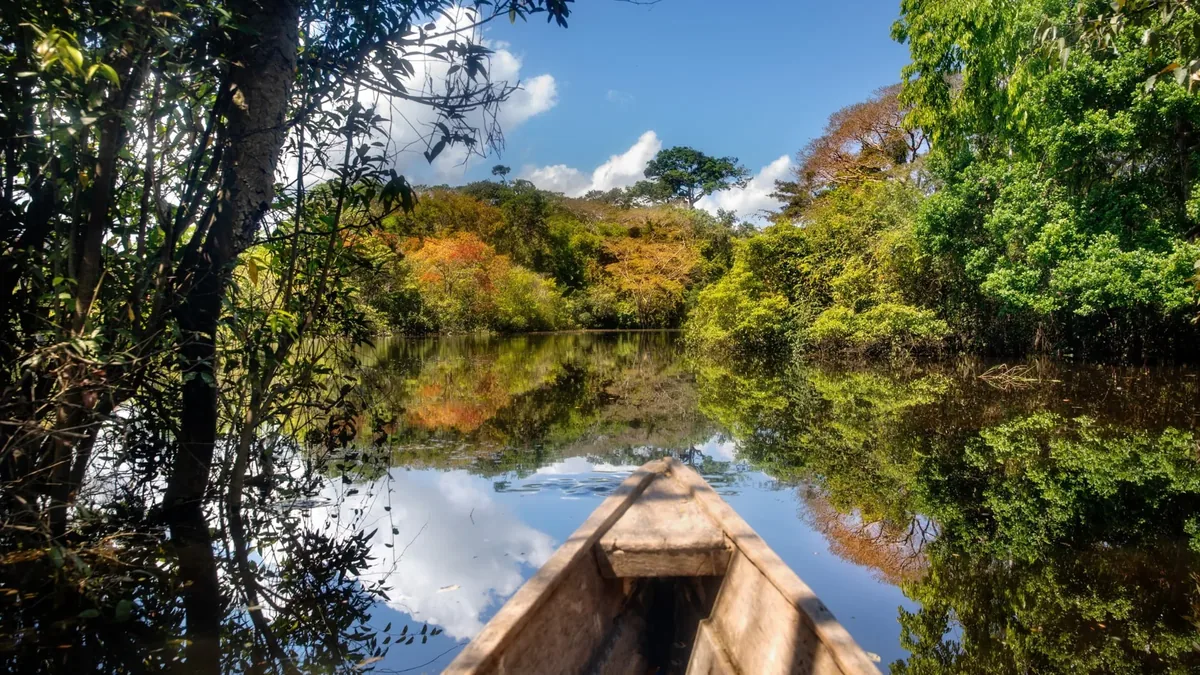
For river journeys, ask the provider what it recommends for protecting bags and equipment during the actual service. Organize belongings so essential items can remain accessible while larger luggage is moved separately. A protective bag or cover should be suitable for what it carries; do not assume that a general rain cover makes every device safe under all conditions. Discuss any valuable or sensitive equipment before confirming a journey with limited luggage handling.
Keep one manageable bag for the items needed during the excursion and decide where the overnight luggage stays. Review the boarding arrangements with the organizer if carrying several bags would be difficult. Include the protection needed for a change of clothes and important documents, not only camera equipment. The aim is a practical system you can use at a landing, on the boat and after arrival rather than a packing list assembled independently of the transport plan.
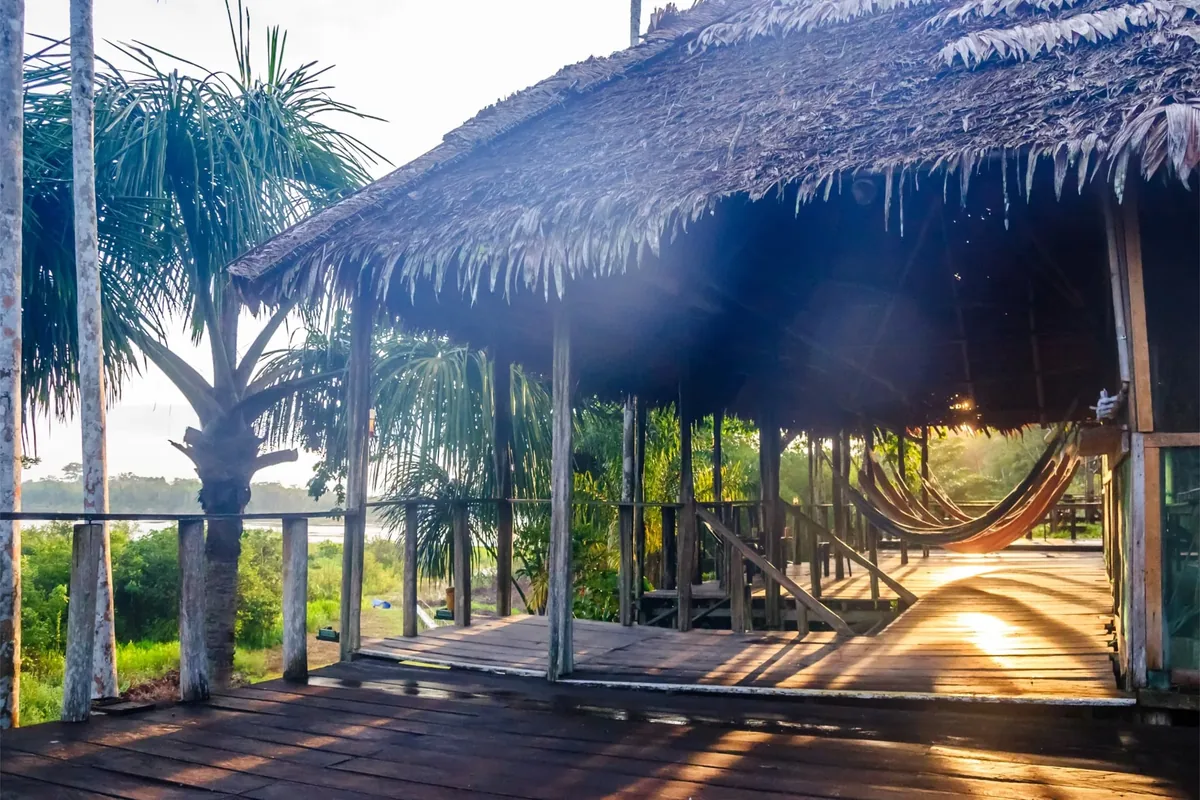
Use the Amazon accommodation guide to confirm drinking-water arrangements, meals and any essential personal supplies needed at each base. Bring a refillable bottle if it suits the arrangements described by the host, and ask how it can be refilled during outings. Explain dietary needs before booking. Packing a few useful items does not replace confirming that the proposed stay and excursion plan can meet an essential requirement.
For medicines or individual health needs, seek guidance from your own qualified clinician or pharmacist and plan the supplies you personally require. Tell the organizer about practical assistance needed without assuming the guide can provide clinical care or replace essential medication. This packing guide does not prescribe preventive treatment. Keep personal necessities accessible during transport, and check relevant travel or airline restrictions with the appropriate provider when an item needs special handling.
Use the wildlife guide to decide how much observation equipment you want to carry. A manageable camera setup or binoculars may fit the trip better than a larger collection that complicates every boarding. Explain photographic priorities to the organizer so observation periods and handling needs fit the activity. Equipment does not create a guaranteed close encounter, and a comfortable way to watch can be valuable even when the desired photograph is not possible.
Ask the host about charging arrangements and identify any requirement essential to your stay. Keep booking information and provider contacts available offline. If bringing additional batteries or a power bank, check current carriage rules with the airline or transport provider rather than treating a general packing suggestion as permission to carry every device. Protect equipment for the journey you have actually arranged, and ask before bringing specialist items whose use may need authorization.
If a night walk or boat excursion is agreed, confirm which equipment is provided and what you need to bring. Ask about the activity setting, duration and return arrangements before adding items to the bag. A light, footwear requirement or other equipment may differ between outings, so use the organizer’s instructions for the actual service. Do not assume every stay includes a night excursion or that purchasing more equipment makes one available.
Check any specialist activity separately from the general packing list. Discuss the use of drones or other equipment before traveling; park guidance requires advance authorization for drones in its jurisdiction. Keep permission requirements distinct from transport rules for batteries and devices. Ask for the applicable instructions rather than inferring approval from another traveler’s image or a provider’s photograph. This helps avoid arriving with equipment that cannot be used as expected.
The Amacayacu guide includes the park’s approach to visiting responsibly. Its guidance asks visitors to manage their waste and reduce disposable items. Consider how you will keep packaging and used personal items contained during an excursion, then dispose of them appropriately through the arrangements described by the host. Pack useful reusable items when they fit the trip instead of carrying unnecessary single-use extras for every day.
Review the full luggage total against current transport allowances and the group’s ability to handle it at the landings. Ask whether bags can remain at a base during an excursion and where they are kept. Fewer property changes may simplify equipment and clothing management, provided the itinerary still supports your interests. Avoid assuming that someone else will carry a heavy collection of bags when assistance has not been agreed with the provider.
Confirm the itinerary, overnight locations, equipment supplied, baggage limits and pickup instructions before closing the bag. Use the best time to visit guide as seasonal background, then check the current arrangements with the provider. Keep documents, booking references, personal necessities, equipment protection and a practical change accessible. Review any essential clothing or footwear requirement against the actual activity rather than a list written for a different route.
Send an inquiry with your dates, group needs and the activities you want to plan. Ask specific questions about provided equipment and anything essential to comfort or access. The Leticia guide and Puerto Nariño guide help relate the packing system to your bases. A well-prepared bag supports the journey you have chosen; it should leave you free to observe and learn, instead of creating a second itinerary built around moving and managing possessions.
Confirm the actual activities and what providers supply first. Pack around the agreed itinerary rather than equipment intended for a different trip.
Do not assume so. Check the equipment and sizes offered for the particular activity and ask what personal items you need to bring.
Keep travel documents, booking details, personal necessities, equipment protection and a practical change accessible while larger luggage is handled separately.
No. Confirm the host’s charging arrangements and check current device or battery carriage rules with the relevant airline or transport provider.
Share your dates, activities and practical needs so transport and accommodation can support a manageable packing plan.
Share your plansColombia overview · Trip planning · Leticia · Puerto Nariño · Share your plans · Amacayacu · Tarapoto lakes · Accommodation · River journeys · Best time to visit · Wildlife · How to get there
Guidance reviewed October 8, 2026. Match equipment to the actual itinerary and confirm supplied items and transport restrictions with providers. Personal medical needs require individual professional advice.