
Town and river outings
Use a gateway base with excursions and clear return arrangements.
COLOMBIAN AMAZON
Build a coherent route before comparing packages. Choose your main base, understand the transfers and make room for the experiences that matter to your group.
Plan this journey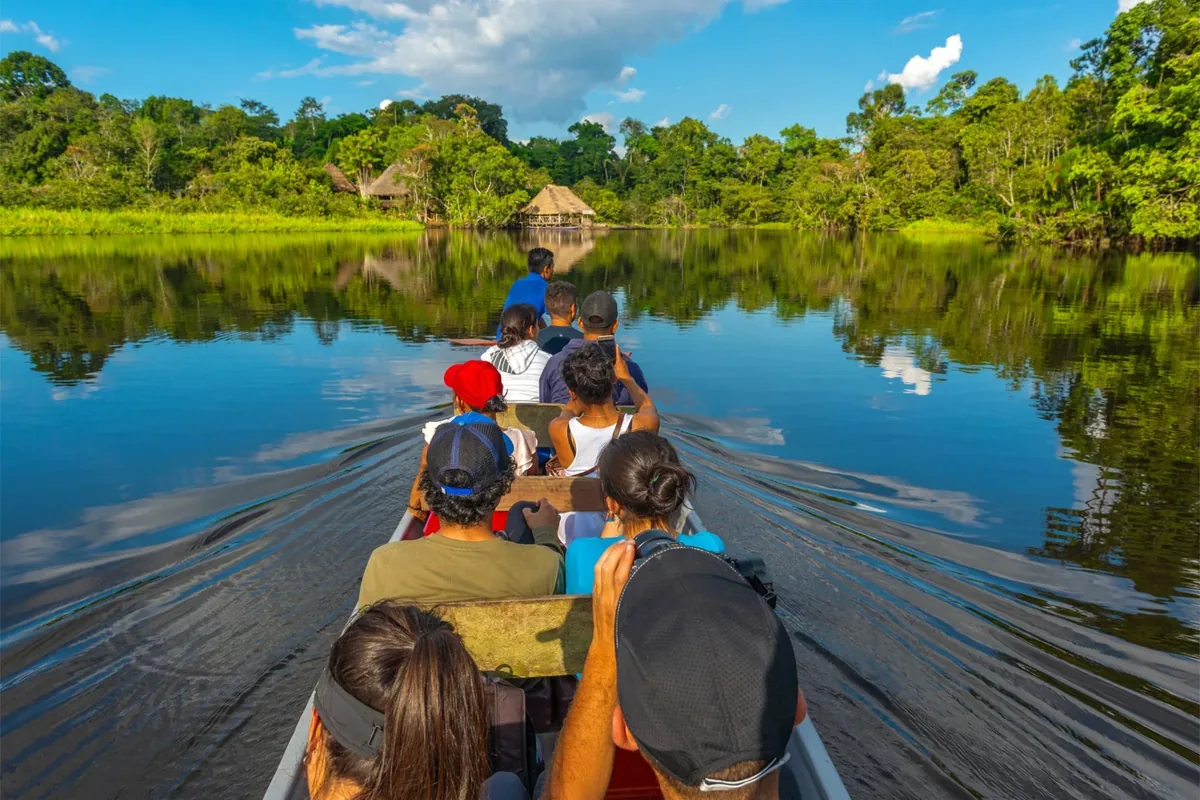
AT A GLANCE
Request an arrival-to-departure outline with overnight locations, river connections, inclusions and useful activity time. Confirm arrangements for your dates.
Use a gateway base with excursions and clear return arrangements.
Compare an upstream overnight setting with the transfer it needs.
Prioritize guiding, agreed visits and time in the intended setting.
Begin with the kind of stay you want: a town base with outings, an upstream community setting or a forest lodge. Then choose the base that can support your preferred activities without unnecessary daily transfers. The Colombia overview explains the relationship between Leticia, upstream travel and community-led experiences. Use that orientation before comparing individual packages, because a long attraction list does not tell you where most of your time will be spent.
Write down two or three priorities and rank them. A traveler interested in forest interpretation may value extended walks; a photographer may need long observation periods; a family may prefer shorter outings with rest time. Tell the operator what you would happily skip as well as what matters. That makes it easier to design a coherent proposal instead of filling every available hour with movements between locations.
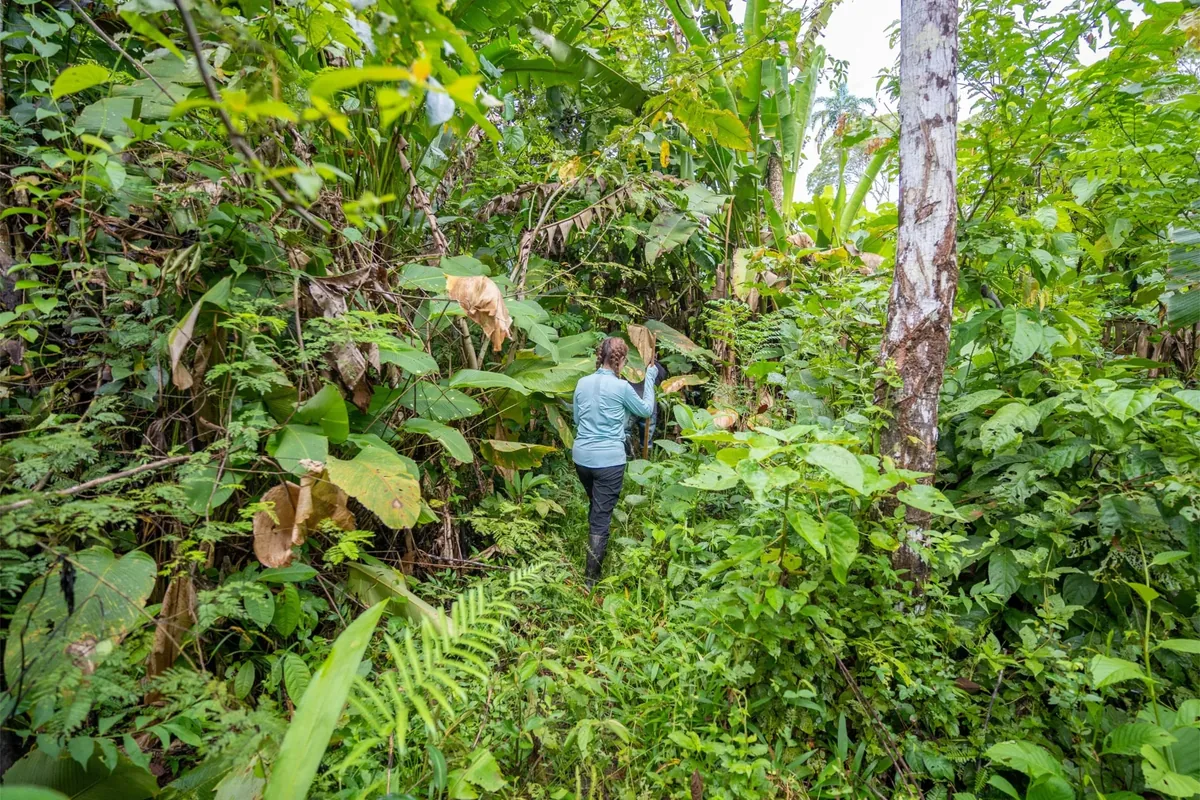
Confirm the arrival gateway, collection point and overnight destination before evaluating the sightseeing program. Leticia is the southern Amazon gateway described by Colombia’s tourism board, and Puerto Nariño is reached upstream by boat. If your plan includes a flight followed by river travel, ask how the connection is coordinated and what happens if the arrival is delayed. Do not assume an advertised excursion begins as soon as the flight lands.
Request a separate description of the final travel day. The return river transfer, any overnight in the gateway and the onward departure must work together. Ask where bags are stored, which transfers are private or shared and who provides updates when arrangements change. Keep flight reservations and river arrangements aligned rather than booking them independently and expecting a guide to solve a tight connection on arrival.
Turn the proposal into a simple table: overnight location, transfer, main activity and free time. This exposes whether a short stay includes complete exploration days or mostly arrivals and departures. A longer package is useful when the extra night supports a different habitat, a slower rhythm or an activity you value. It adds less when it merely increases the number of places named in a brochure.
For a first journey, consider how much moving the group actually enjoys. Changing bases means packing, checking out and handling luggage as well as traveling. One well-chosen setting with varied outings can be preferable to frequent moves. If you add a second base, ask for the reason in practical terms: what does that setting make possible, and how much useful time remains after the transfer?
Ask for current information about the room category being offered, not only a general property description. Check bathroom arrangements, beds, ventilation, insect screens, meal service and drinking water. If a family or group needs adjacent rooms, state that early. A photograph can communicate atmosphere but cannot establish which room you will receive or whether its facilities match the package being quoted.
Translate comfort requirements into questions the host can answer. Do you need reliable charging for camera batteries, particular meal arrangements or help between the boat landing and the room? Discuss these before agreeing to a remote setting. We can compare travel styles through the Ecuador guide and Peru guide, but accommodation decisions should rest on the actual Colombian stay and its confirmed services rather than assumptions borrowed from another country.
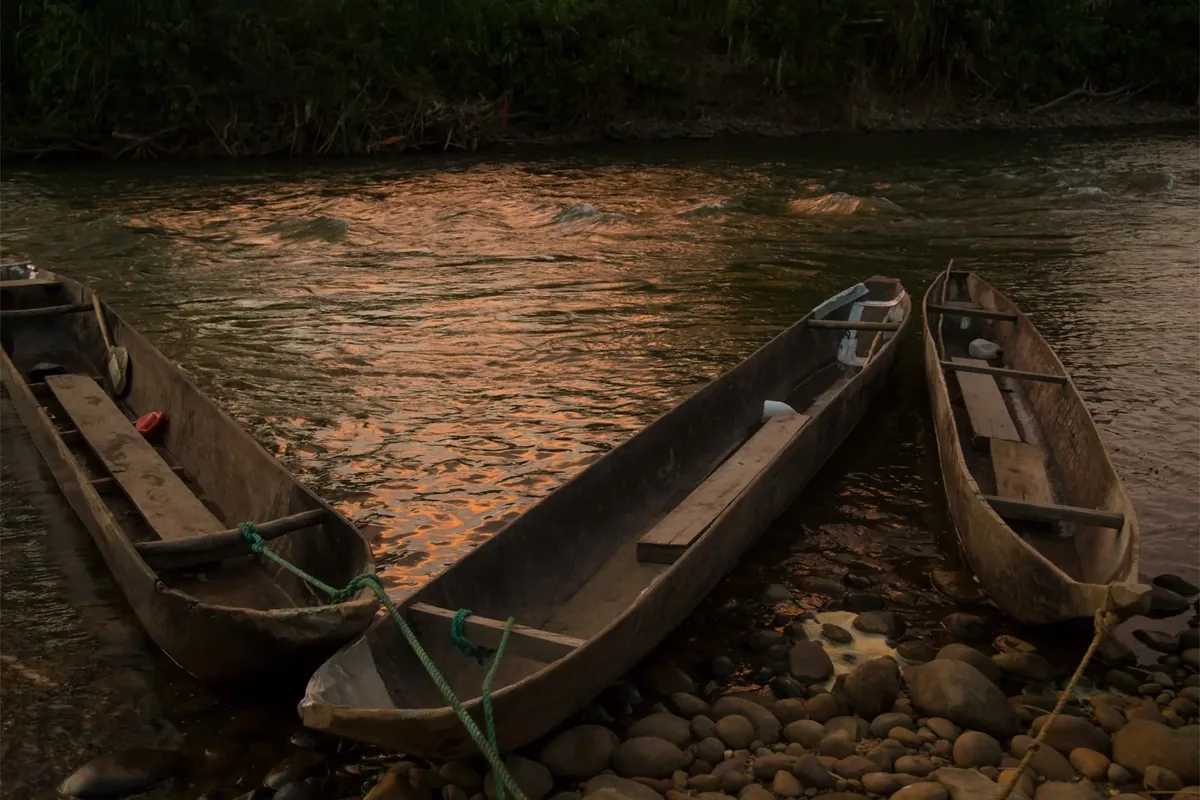
Ask for an itemized explanation of transport, guiding, meals, accommodation, entry charges and optional activities. Amacayacu’s official visitor information distinguishes park admission from services supplied by operators and communities. A single headline price can hide these differences. Confirm the amount and payment arrangement for the proposed dates directly with the provider, rather than treating an older itinerary or general article as a current quotation.
Clarify who manages the trip from start to finish. Know which organization confirms the accommodation, which person meets you and whom to contact if a transfer does not operate as expected. Review cancellation and change terms before paying. An inquiry through this site starts that discussion; it is not a reservation and does not establish a fixed price, guaranteed departure or availability.
Explain the group’s walking comfort, balance on boat landings and tolerance for heat or long outings. Ask about trail surfaces, steps, boarding arrangements and the distance from the landing to the accommodation. A description such as easy is relative; request concrete information that helps each traveler decide. Share relevant access requirements privately in the planning conversation instead of assuming every forest stay can make the same adjustments.
Build rest and meal time into the outline. An ambitious morning followed by a long river journey can be tiring even when neither activity sounds demanding on its own. Ask which outings can be shortened and what the alternatives are for a traveler who stays behind. Keep medical and vaccination decisions with a qualified clinician and official health guidance; the itinerary should support preparation without replacing individualized advice.
Amacayacu’s park authority advises contacting communities in advance and using local interpretation for activities. Ask the operator which community is hosting the visit, who leads it and what is included. This is more useful than a vague promise of cultural immersion. Confirm how the visit is coordinated and whether your group’s interests fit the activities hosts have chosen to offer.
Photography, personal stories and private spaces require consent. Ask before taking portraits, and accept a refusal without turning it into a negotiation. Avoid requesting wildlife handling, feeding or captive-animal displays as part of the visit. Responsible planning means choosing an experience that respects the hosts’ boundaries and the environment while giving visitors time to listen, learn and ask appropriate questions.
Ask how the route changes when water conditions affect access. The official Amacayacu guidance notes variable transfer times during low water, so a fixed schedule should not be treated as an unconditional promise. Confirm alternate landings or activities with the operator and ask how changes are communicated. Your main interests can stay consistent even when the order of outings needs to change.
Pack around the actual activities and accommodation. Keep electronics protected, plan for rain and confirm whether equipment is supplied for the outings you choose. Ask what the operator recommends for footwear and luggage on that route rather than buying equipment for an imagined expedition. If a substitution changes the physical effort or a charge, clarify that before accepting it, especially for families and travelers with access needs.
If the journey continues into Peru or Brazil, plan that movement as a separate travel decision. Discuss current documentation, formalities and transfer arrangements with the appropriate authorities and providers. A nearby border does not make every onward destination a simple add-on. Use the Brazil guide to compare the next region’s gateway and route before deciding whether it belongs in the same trip.
Send your dates, group size, overnight preferences and the experiences you care about most. Include booked onward departures and any constraints that shape the route. We can then discuss the balance between exploration, travel and comfort. Keep a written version of the agreed arrangements, and reconfirm collection points and contact details before departure. This gives the journey a practical foundation without reducing it to a rigid checklist. Use the best time to visit guide to relate your dates to the route, and the wildlife guide to choose the habitats and observation pace you value. Check the how to get there guide for arrival connections and the packing guide for belongings needed during the actual route.
Compare full exploration days rather than nights alone. Arrival and departure transfers can take meaningful time, so ask for a day-by-day outline before selecting the stay.
Request clear details for accommodation, guiding, meals, transfers, entry charges and optional activities, plus payment and cancellation terms.
A combination may require separate transfers and border formalities. Confirm current documentation and connections rather than assuming proximity makes the journey straightforward.
They can affect access and transfer times. Ask which alternatives the operator uses and how any change affects activities, effort and cost.
Share your dates, traveler count, overnight preferences and the experiences you most want to explore.
Share your plansColombia overview · Puerto Nariño · Leticia · Ecuador · Peru · Brazil · Amacayacu · Tarapoto lakes · Accommodation · River journeys · Share your plans · Best time to visit · Wildlife · How to get there · Packing
Planning guidance reviewed October 8, 2026. Confirm current transport, community and park arrangements with the relevant providers and authorities. This guide does not confirm availability, prices or a booking.