
Bird observation
Ask about relevant guiding, habitats and time for identification.
BRAZILIAN AMAZON
Look beyond a checklist. Give birds, river mammals and forest detail the time and space that make observation rewarding.
Plan this journey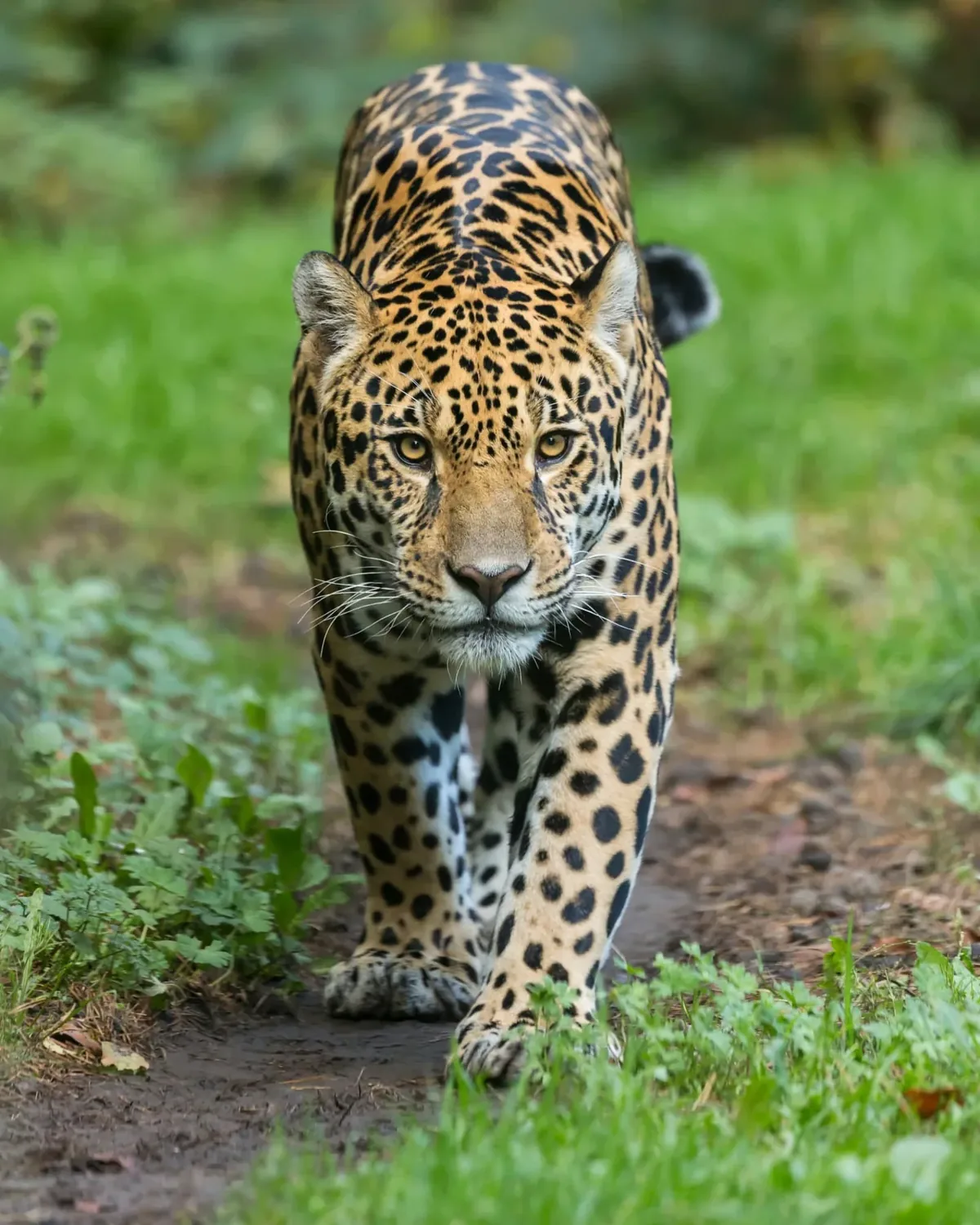
AT A GLANCE
ICMBio lists pink river dolphin, giant otter, Amazonian manatee and jaguar among threatened species protected in Anavilhanas. That conservation record does not establish how likely a visitor is to see them.
Ask about relevant guiding, habitats and time for identification.
Compare the observation approach and realistic local expectations.
Leave room for tracks, sounds and smaller details as well as visible animals.
The Brazil overview helps you decide which regional experience fits your trip. Begin with habitats and time available rather than a long list of animals. Ask which forest and river environments the proposed outings actually reach and how the guide interprets them. Keep the answer connected to the named route, not a description of the entire Amazon.
Use the Anavilhanas guide and Rio Negro guide for context around the Manaus region, or the Alter do Chão guide when considering the Tapajós alternative. Do not assume that programs in different regions offer identical encounters. A useful comparison explains the observation opportunities and their limits without transferring a species promise from one destination to another.
If birds are your main interest, say whether you want a general introduction, photography or more detailed identification. Ask about the guide’s relevant experience and whether the outing allows longer stops. A broad nature excursion can be enjoyable, but it may not follow the pace or interpretation that a traveler primarily interested in birds expects.
Clarify what equipment is supplied and what you should bring. Ask whether binoculars are shared and whether the group can remain together comfortably while people observe at different speeds. Avoid judging a program only by the number of species in promotional material. Compare the habitats reached, the guiding approach and the time actually set aside for observation.
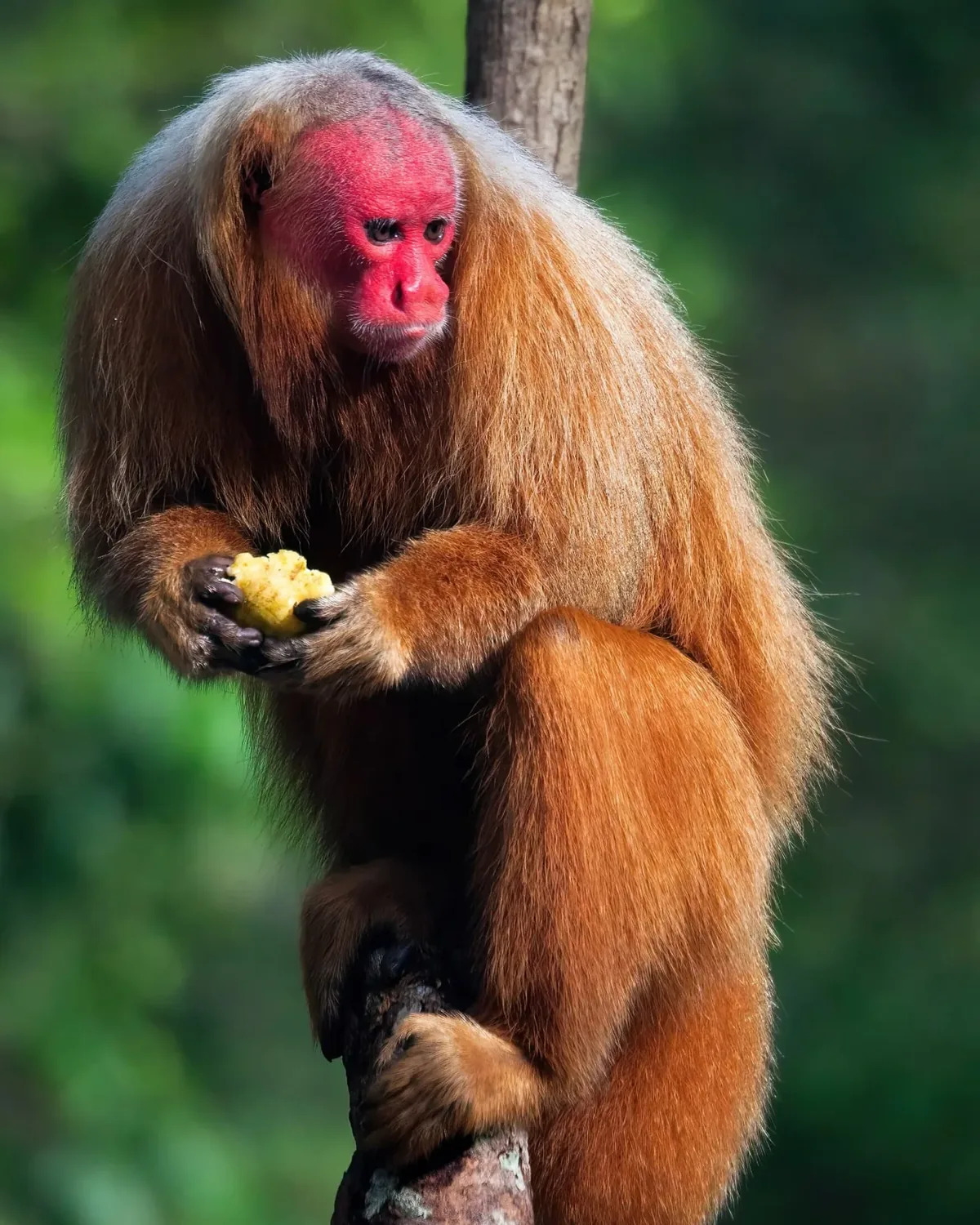
ICMBio includes pink river dolphin, giant otter and Amazonian manatee on its list of threatened species protected in Anavilhanas. That is valuable conservation context, not an excursion checklist. Ask your guide which river-mammal observations are realistic on the proposed outings, while keeping the possibility of no sighting part of the plan.
Choose observation that gives animals space and avoids feeding, touching or staged interactions. Ask how the boat approaches an encounter and when the guide decides to move away. Evaluate the overall outing, including river interpretation and habitat, rather than paying for a close-contact experience that turns a wild animal into the centerpiece of a manufactured scene.
A forest outing can be meaningful even when an animal remains out of view. Ask how the guide helps you notice sounds, tracks and movement while explaining uncertainty honestly. Keep identification separate from speculation: a sound or sign should not automatically become a confirmed sighting. An interested beginner can learn a great deal from this slower approach.
ICMBio also lists jaguar among the threatened species protected in Anavilhanas. Do not interpret that record as a reason to expect a jaguar encounter on a short visit. If one animal is central to your interests, ask for a realistic discussion of the actual program before booking. Avoid proposals that imply certainty merely by displaying a dramatic stock photograph.
Tell the guide if reptiles, insects, plants or the relationships between them interest you alongside mammals and birds. A varied outing can offer more ways to notice the forest than a search centered on one hoped-for animal. Ask which activities suit your group and how interpretation changes between a walk and a smaller-boat excursion.
If an evening activity is offered, confirm its duration, level of effort and return arrangements. Ask how animals are observed without handling or disturbance. Keep the excursion description specific rather than assume every stay includes the same activities. You can prefer daylight outings and still request a thoughtful natural-history program suited to your comfort.
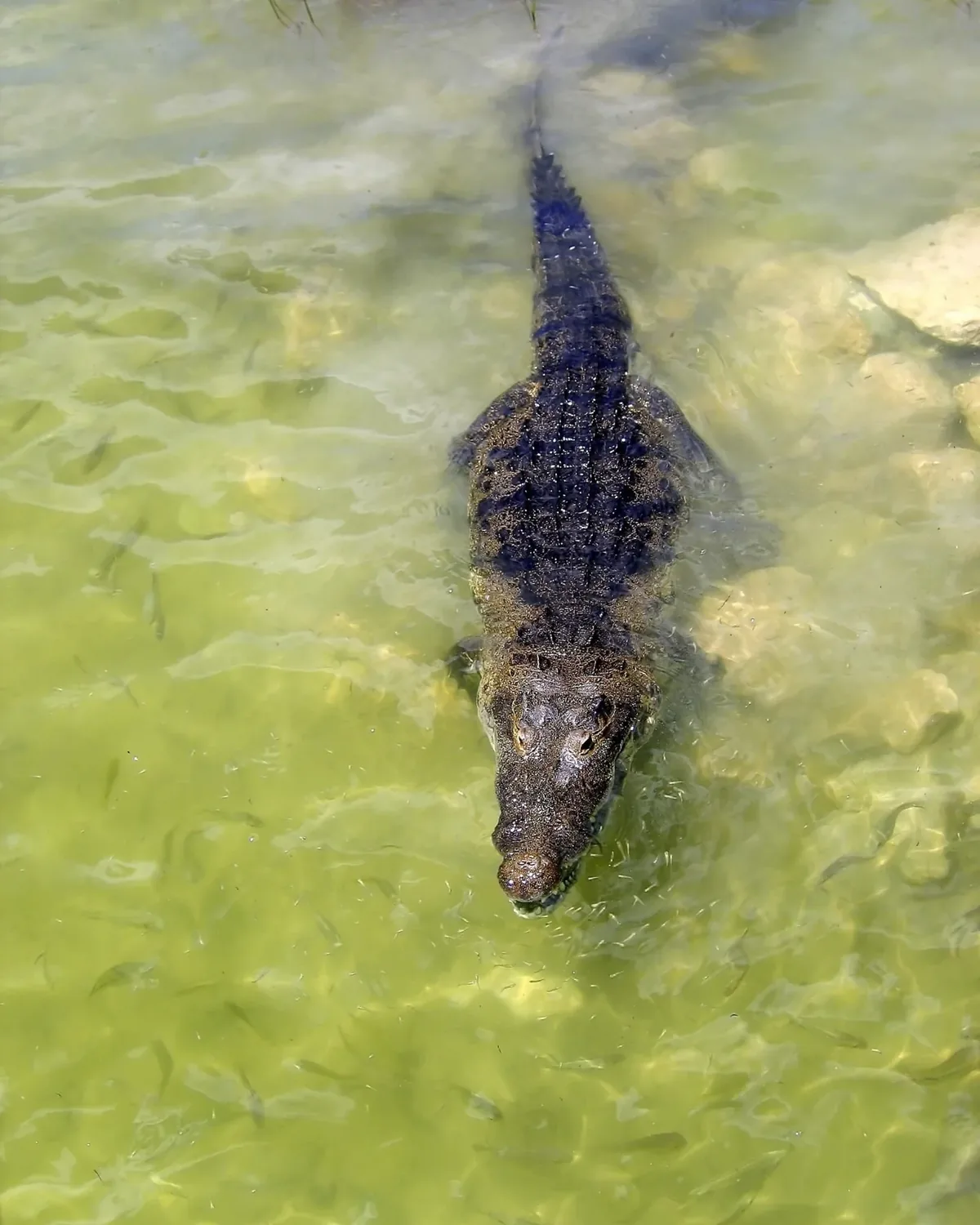
The official Amazonas tourism guide advises visitors to observe wildlife from a distance, stay on trails and remove their waste in protected areas. Ask the provider how its outings put those principles into practice. A responsible approach should be understandable before departure, not left as a general sustainability claim in the brochure.
Discuss photography, group movement and what happens when an animal changes its behavior or moves away. Do not request feeding or handling to improve a photograph. Accept a guide’s decision to stop an approach, and avoid treating distance as a failure of service. The quality of the encounter includes how the group behaves, not only how close the camera gets.
Use the Brazil lodge guide and Brazil river journey guide to compare the two travel formats. Ask which environments each reaches and how a sample day divides outings, transfers, meals and rest. A moving route can be appealing, while a fixed stay may offer a settled routine. Neither format alone proves more wildlife or better interpretation.
For photography or focused bird observation, ask whether additional time can be arranged without displacing other travelers’ interests. Clarify shared versus private guiding and any extra cost. Compare the quality of time in the field rather than simply adding nights. More time is helpful only when the program gives it a clear role in the experience.
The Brazil timing guide helps separate regional seasons from sighting predictions. Explain your available dates and ask how the proposed activities fit them. Use the Manaus guide to plan connections when that is your starting point, keeping arrival and departure days distinct from full observation days in the forest or on the river.
Ask about protection for camera equipment, carrying arrangements during walks and charging at the accommodation. Discuss essential needs before arrival, particularly if your preferred equipment is heavy or requires regular charging. Keep the kit manageable enough to observe comfortably. The guide should know your priorities without having to reconstruct them from the gear you bring.
Use the Brazil planning guide to share your interests, experience level, preferred pace and any specific photographic goals. Mention whether birds, mammals or a broad introduction matter most. Ask for a program that explains habitats, guiding and observation time, with a clear answer about what remains worthwhile when one hoped-for animal does not appear.
Keep expectations curious rather than transactional. Compare the excursion format, group size, language support and complete inclusions before booking. A rewarding wildlife trip gives you enough time to notice and understand what is present. Choose the plan that supports that process without turning conservation records, stock images or a species list into promises the forest cannot make. Use the Brazil access guide to coordinate your transfers and the Brazil packing guide to prepare your equipment.
No. Choose habitats, guiding and observation time rather than a promise of a named animal. Ask what the outing offers if that species does not appear.
No. ICMBio’s Anavilhanas list establishes conservation context. It does not give visitor sighting probabilities or confirm an animal’s presence on an individual excursion.
Yes. Explain your interests and preferred pace, and ask for interpretation that suits your experience. You do not need an expert species list to benefit from thoughtful guiding.
Compare the habitats each program reaches, guiding and time for observation. The accommodation format alone does not establish better wildlife encounters.
For a wetland wildlife trip alongside a forest stay, use our Pantanal versus Amazon comparison. The Pantanal is a distinct biome; observation opportunities depend on the region and the actual outings.
Share your interests, experience with wildlife trips and the time you would like to spend observing.
Share your plansBrazil overview · Plan your journey · Manaus · Rio Negro · Anavilhanas · Santarém & Alter do Chão · Amazon lodges · River journeys · Choose your dates · Arrival and transfers · Packing list
Editorial review: October 8, 2026. Official sources support the regional context; the planning comparisons are editorial guidance. Seasonal descriptions are not forecasts, and species records do not establish sighting likelihood. Licensed stock photographs illustrate Amazon environments and wildlife; they do not document a particular Brazilian location or promised encounter. Confirm current conditions, access and arrangements for your dates.