
Forest and observation
Prioritize guiding, pace and the surroundings reached from the lodge.
BRAZILIAN AMAZON
A rewarding forest stay begins with more than a beautiful room. Match the location, guiding and everyday comfort to the experience you want.
Plan this journey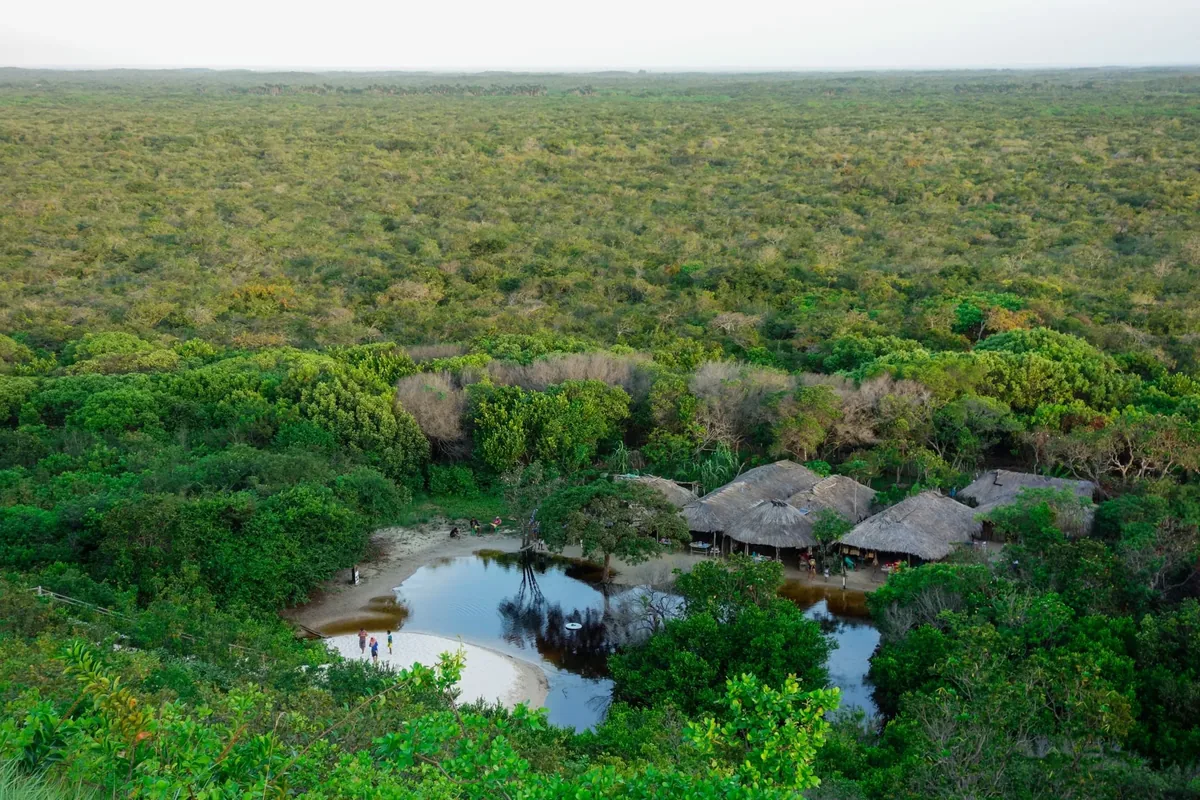
AT A GLANCE
A lodge keeps your overnight arrangements in one place. Its value depends on the landscape it reaches, the time available for exploration and the practical comforts included in your room and daily activities.
Prioritize guiding, pace and the surroundings reached from the lodge.
Clarify rooms, facilities and the rhythm between guided activities.
Compare a fixed base with a moving river journey before adding more nights.
A lodge name can tell you less about the landscape than a clear map and transfer outline. Begin with the Brazil overview to decide which regional experience fits your interests. Then ask where the property sits, which river or forest areas its outings reach and how those places connect with your arrival point.
The official Amazonas tourism guide describes forest accommodation in different settings, including river margins, firm ground and floating structures. Those formats invite different practical questions. Establish the actual location and accommodation type before using a room photograph to judge the whole stay. This guide helps compare formats; it does not rank properties or confirm particular operators for your dates.
Use the Rio Negro guide and Anavilhanas guide when comparing an archipelago or river-focused stay in the Manaus region. Ask which areas the lodge program actually visits; a broad destination description is not proof that a specific park, channel or community is part of the package. Keep the names and arrangements clear in the proposed itinerary.
The Alter do Chão guide provides a different river-and-village context in the Tapajós region. A village base with forest outings should be compared on its own terms rather than presented as identical to a remote forest lodge. Choose the setting that supports your priorities, and avoid adding another region merely because its accommodation images look attractive.
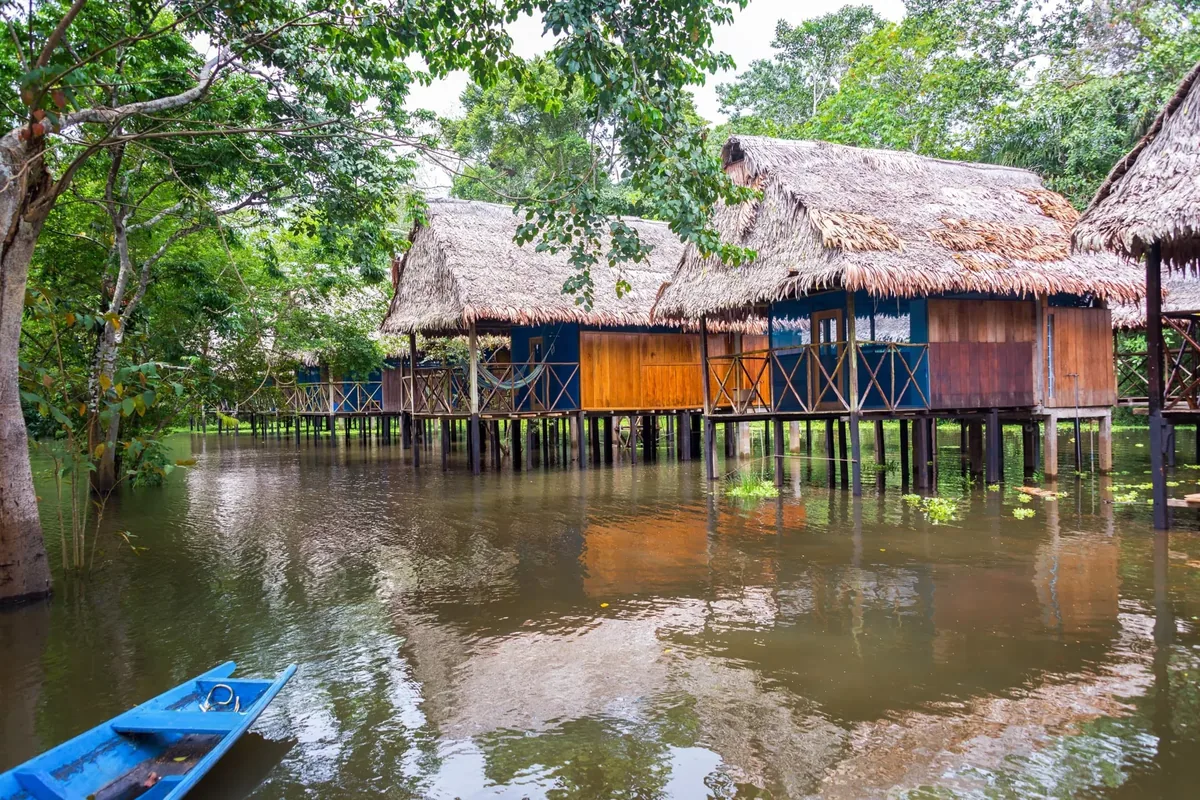
Replace broad labels such as rustic, comfortable or luxury with the details that affect your day. Ask for bed configuration, bathroom privacy, ventilation or cooling and any limits on electricity or charging equipment. Confirm whether the room category shown in photographs is the category included in your proposal rather than an optional upgrade.
Consider the spaces outside the room as well: dining areas, shaded seating, paths and the place where outings depart. Discuss steps and distance between those areas if walking comfort matters. A hammock or terrace can be a welcome part of the stay, but it should complement clear answers about sleeping, washing and moving around the property.
Use the Manaus guide to plan city time around an arrival or onward transfer when that is your gateway. Ask for the complete sequence: collection place, road segment if any, boat segment and arrival at the lodge. Keep the journey to the accommodation distinct from a guided excursion that happens after you arrive.
Compare exploration time remaining on arrival and departure days. A three-night stay with substantial travel at both ends may have a different rhythm from a similarly advertised stay with simpler connections. Ask how late arrivals are handled and whether an overnight city buffer would help. Do not assume that a room booking automatically includes every transfer you need.
Ask for a sample day that shows outing duration, meals, rest and any optional activities. Find out whether the group follows one schedule or has choices of pace. This matters if some travelers want longer walks while others prefer shorter excursions or time at the lodge. An attractive list of activities should also explain how they fit together.
Distinguish included guiding from activities available at extra cost. Confirm whether outings are shared or private and what language support is provided. If you prefer patient photography or bird observation, ask how the guide accommodates longer stops. More activities do not necessarily mean more depth, particularly when the schedule leaves little space to notice the forest between named experiences.
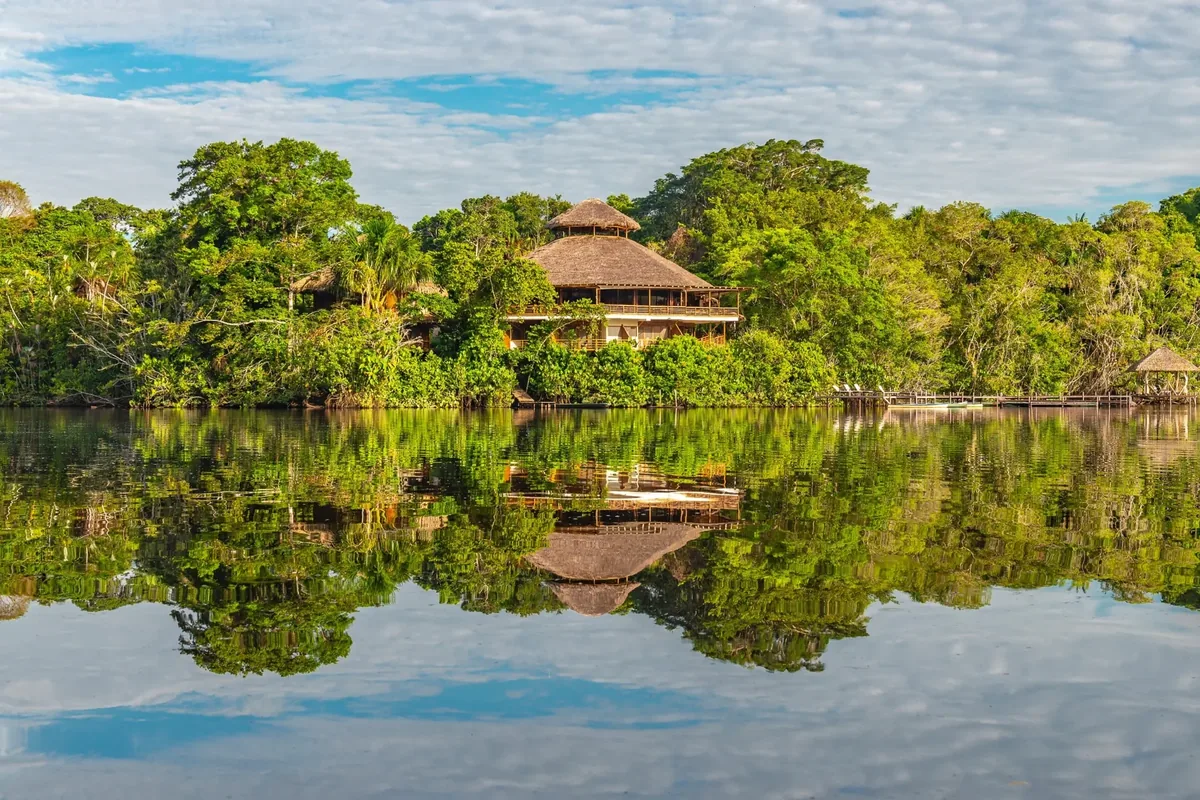
Explain what you most want to learn or observe, whether that is birds, forest detail, photography or a broad natural-history introduction. Ask about the guides’ relevant experience and how the program changes with those interests. A smaller group can be useful, but group size alone does not explain the quality of interpretation or the time spent at each stop.
Choose wildlife observation that avoids feeding, handling and staged encounters. Ask what an outing offers when a hoped-for animal does not appear. A thoughtful guide can make habitat, sounds and signs meaningful without turning a species list into a promise. Evaluate that approach alongside the accommodation: the lodge room is only one part of a forest stay.
Confirm which meals and drinks are included and how dietary requests are handled. Share allergies or requirements through the appropriate booking conversation, then ask for a practical answer rather than assuming that a general full-board description covers them. Establish whether meals are at fixed times and how that fits any longer outing you are considering.
Ask about connectivity if you need it, while leaving room to disconnect if that is part of the appeal. Discuss any essential equipment storage, laundry or charging needs. Confirm the activities suited to your group’s ages and walking comfort rather than relying on a family-friendly label. These details help determine whether the daily routine will feel easy or require constant adjustment.
The Brazil river journey guide helps you assess the other main format: sleeping aboard while the route shapes the stay. Compare time on excursions, time navigating and the comfort of daily living. A vessel may reach different stops, while a lodge may provide a more settled rhythm. The right choice depends on how you want to spend your days.
Combining both formats can work when each adds something distinct, but it also adds a change of accommodation and a connection to organize. Ask which experiences overlap and which are different before extending the itinerary. Use a combined stay to serve your interests, not simply to collect another accommodation type or add more movement to an already short trip.
Use the Brazil planning guide to share dates, traveler count, room preferences and your main interests. Request a proposal that names the property, room category, transfers, guiding, meals and exclusions. Compare the same arrangements between options, including any private activities or single-room requirements that change the price.
Read deposit, payment, cancellation and itinerary-change terms before booking connected travel. Clarify what happens if arrival delays affect the first transfer or outing. A useful quote should explain the complete stay rather than leave you to reconstruct it from photographs and a headline number of nights. Choose the option that makes your preferred pace and comfort practical. Use the Brazil timing guide to choose your dates and the Brazil wildlife guide to frame observation expectations. Use the Brazil access guide to coordinate your transfers and the Brazil packing guide to prepare your equipment.
No. Ask for the property location and the full transfer description. Manaus may be the starting point while the stay takes place elsewhere.
No. Compare the habitats, guiding and exploration time with the transfer effort. Remoteness alone does not establish the quality of your stay.
Confirm beds, bathroom privacy, ventilation or cooling, electricity, steps and the distance to dining or departure areas. Ask for the exact room category in the quote.
A lodge offers a fixed overnight base; a vessel adds movement and life aboard. Compare usable excursion time, daily comfort and the route rather than relying on either label.
Share your dates, room preferences and observation interests. We can help frame the comparisons that matter.
Share your plansBrazil overview · Plan your journey · Manaus · Rio Negro · Anavilhanas · Santarém & Alter do Chão · River journeys · Choose your dates · Wildlife observation · Arrival and transfers · Packing list
Editorial review: October 7, 2026. Official sources establish regional context and the range of travel formats. The comparisons are editorial guidance, not a ranked property list, a confirmed package or current availability. Stock photographs are illustrative; they do not identify a booked property or vessel. Confirm dates, routes, facilities and inclusions before committing.