
A shared departure
Compare cabin choices, group excursions and the published route.
BRAZILIAN AMAZON
Let the river be part of the stay. Choose a route with time to explore and a vessel whose daily living arrangements suit you.
Plan this journey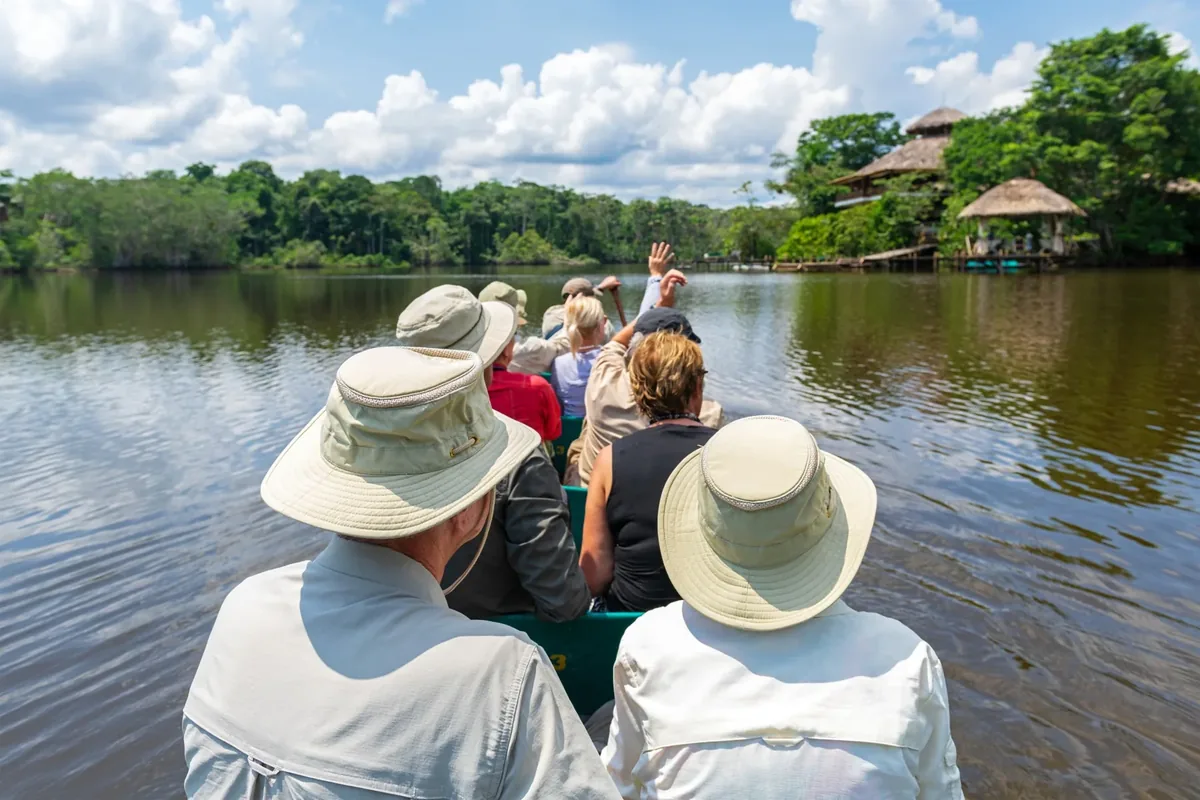
AT A GLANCE
Compare where the vessel travels with how you sleep, eat and join excursions. A boat transfer, a day outing and a multi-night tourism journey are different experiences, even when they share the same river.
Compare cabin choices, group excursions and the published route.
Clarify vessel suitability, what can be adapted and the complete charter inclusions.
Assess movement, observation time and daily comfort side by side.
Start by distinguishing transport from the travel experience itself. A passenger connection, a day excursion and a vessel used as overnight accommodation solve different needs. The official Amazonas tourism guide describes varied tourism vessel formats and routes. Ask which service your proposal offers before interpreting a familiar river name as a complete program.
Use the Brazil overview to decide which regional setting belongs in your trip. A multi-night journey should identify its start and finish, overnight format and main excursion areas. You do not need every minor stop fixed in advance, but you should understand the purpose of the route and what time aboard contributes to the experience.
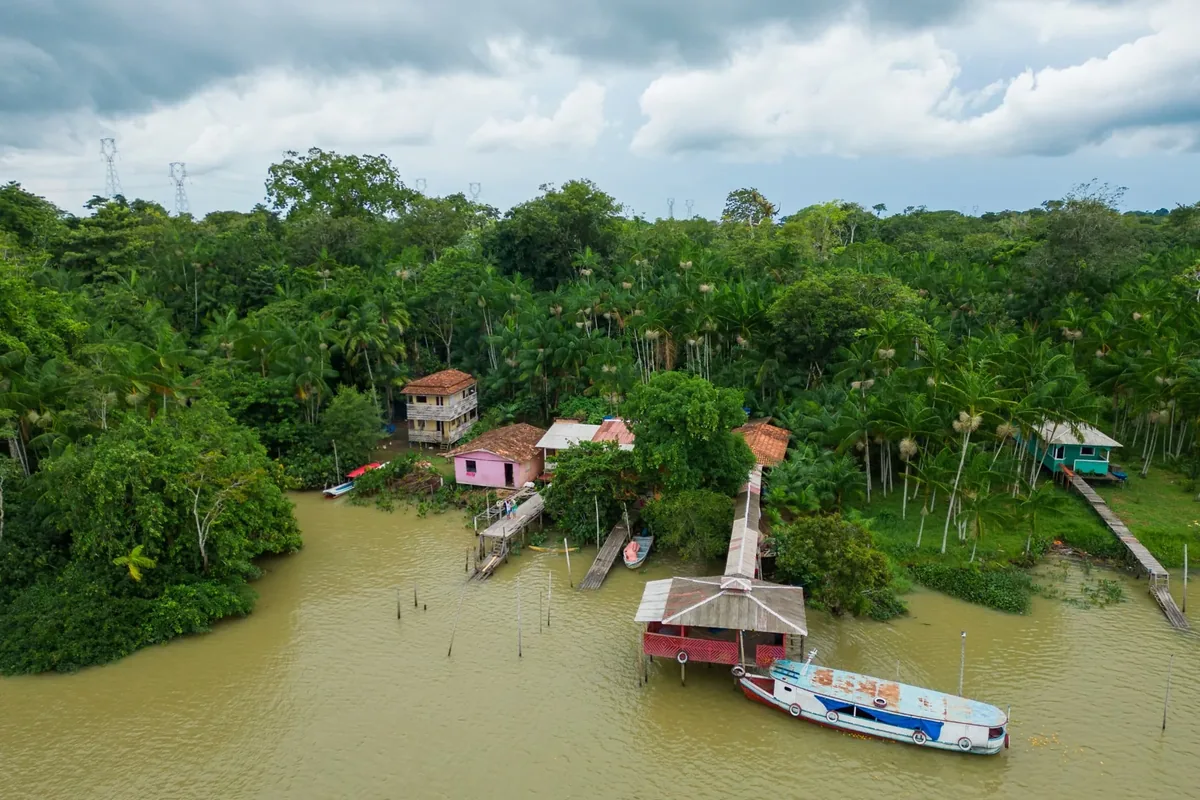
The Rio Negro guide and Anavilhanas guide help you assess journeys around the Manaus region and its archipelago setting. Ask which areas are actually visited and where the vessel begins. Use the Manaus guide to keep city arrival, transfer to the boarding point and departure time visible as separate arrangements in your travel plan.
The Alter do Chão guide introduces a Tapajós regional alternative associated with Santarém. Compare that setting on its own terms, including the connection needed to reach it. A route described as Amazon travel may involve very different overnight locations and distances. Avoid assuming that destinations in different regions can be added to a short itinerary without significant movement.
A shared departure can provide a defined route and group program, while a private charter needs a clear agreement about what is adaptable. Compare the vessel and guiding first. Private does not automatically mean unrestricted: the crew, visiting arrangements and river conditions still shape what can be offered on your dates.
Ask how excursions are organized and whether different levels of effort are possible. For a charter, clarify how requested changes affect navigation time, staffing and the price. For a shared trip, ask how cabin allocation and group activities work. Assess the format against your travelers’ interests rather than paying for flexibility you may not use or accepting a group rhythm that does not fit.
Ask about beds, bathroom privacy, ventilation or cooling, steps, storage and charging equipment. Confirm the cabin category and its position on the vessel. If noise or sleeping comfort matters, ask about nearby engines, shared areas and any overnight navigation planned. A room photograph does not explain those living conditions.
Review dining and common areas as carefully as the cabin. Find out how you move between decks and how much sheltered space is available when everyone is aboard. Discuss essential access requirements for both the main vessel and any excursion boats. The aim is to understand a typical day and night on board, rather than judge comfort from the most attractive angle in a gallery.
Request a sample day that separates navigation, smaller-boat outings, shore time and meals. Distance traveled is not the same as exploration time. Compare how long you spend at the stops that interest you and whether the guide can allow patient observation. A compact itinerary can be worthwhile when it leaves more room for the experiences you care about.
Explain interests such as birds, photography, forest walks or host-led visits before choosing the program. Ask about group size on excursions and how longer stops are handled. Favor observation that avoids feeding, handling or staged wildlife encounters. A well-designed outing should still offer interpretation and discovery on a day when one hoped-for species does not appear.
A route outline is a planning tool, not a water-level forecast. DNIT describes the Solimões–Amazonas waterway as a working navigation system used by multiple vessel types. Ask your provider about the current conditions relevant to the proposed route and what alternatives remain useful if a particular stop or channel cannot be included.
Clarify who decides changes, how passengers are informed and what happens to paid inclusions. Avoid assuming that a past itinerary or photograph confirms access for your dates. Flexibility works best when the purpose of the journey is clear: alternatives should preserve meaningful forest or river time, rather than simply replacing a named stop with unspecified additional navigation.
Confirm the embarkation point, arrival time, luggage arrangements and the person handling collection. Ask which meals and drinks are included, how dietary needs are addressed and whether excursions change meal times. Keep the return connection equally clear so the end of the journey does not depend on a rushed transfer to an onward booking.
For community visits, ask which hosts are receiving visitors and what they choose to share. Clarify photography, language support and payment arrangements. A host-led encounter is not an automatic inclusion just because a route passes a community. Request confirmation of the actual visit and leave enough time to participate respectfully rather than treating it as a brief stop for photographs.
Use the Brazil lodge guide to assess an alternative that keeps overnight arrangements in one place. Compare daily movement, the surrounding landscape and time spent on guided outings. A boat can make navigation part of the stay; a lodge can provide a settled rhythm. Neither format guarantees more wildlife or deeper interpretation without the right guiding and pace.
If combining both, ask how the connection works and which activities overlap. A second format should contribute something distinct, not consume most of a short stay in changing accommodation. Compare a focused version with the combined route before committing. You may prefer more depth in one setting to an itinerary that spends substantial time moving between equally attractive photographs.
Use the Brazil planning guide to organize dates, traveler count, cabin preferences and interests. Request the vessel name, cabin category, route outline, excursion format, crew and guiding arrangements, meals and transfers. Identify optional activities and costs outside the total. Compare like-for-like proposals before treating one headline price as better value.
Check payment, cancellation and route-change terms and the arrangements for delayed arrivals. Discuss what happens if the first departure is missed before booking a tight flight connection. A useful proposal explains how the route and life aboard fit your group. Choose the journey that gives your interests enough time and your essential comforts a clear answer. Use the Brazil timing guide to choose your dates and the Brazil wildlife guide to frame observation expectations. Use the Brazil access guide to coordinate your transfers and the Brazil packing guide to prepare your equipment.
No. Confirm the service you are booking. A transport route does not establish that cabins, guided excursions or a tourism program are included.
No. Compare the route, cabin, guiding and group format. A private charter may offer different choices, but adaptation depends on the vessel, crew, access and conditions.
Ask about beds, bathroom privacy, ventilation or cooling, noise, steps, storage and access to shared spaces. Confirm the exact cabin category in your proposal.
It may. Ask how changes are decided, what alternatives are offered and how they affect paid inclusions. A general route description is not a navigation forecast.
Tell us your dates, group size, cabin needs and the experiences you want the route to support.
Share your plansBrazil overview · Plan your journey · Manaus · Rio Negro · Anavilhanas · Santarém & Alter do Chão · Amazon lodges · Choose your dates · Wildlife observation · Arrival and transfers · Packing list
Editorial review: October 7, 2026. Official sources establish regional context and the range of travel formats. The comparisons are editorial guidance, not a ranked property list, a confirmed package or current availability. Stock photographs are illustrative; they do not identify a booked property or vessel. Confirm dates, routes, facilities and inclusions before committing. The Manaus photograph has a documented Brazilian location; it does not identify a particular embarkation pier.