
A lodge base
Return to one place after guided activities. Compare the specific location and the daily rhythm.
BRAZILIAN AMAZON
Choose time on the water with a clear purpose. Compare a forest base, a river journey and the Novo Airão area around the experiences that draw you to the Amazon.
Plan this journey
AT A GLANCE
Rio Negro describes a river region, not one fixed tour. Compare the overnight base, daily excursions and travel between places before deciding on a lodge or vessel.
Return to one place after guided activities. Compare the specific location and the daily rhythm.
Let the vessel route shape your stay. Check excursion time and life on board.
Explore a regional base associated with Anavilhanas. Confirm the actual park and community visits.
Start by identifying the stretch of river and the overnight places in your proposed journey. Two trips described as Rio Negro can have different bases, transfer times and daily experiences. Ask for a clear route outline before comparing their prices or advertised activity counts. The name should orient you, not replace the details.
Use the Brazil overview to keep the wider regional choice in view. Once a Rio Negro journey fits your interests, decide whether you want to remain in one place or travel between several. This first distinction makes lodge and vessel proposals easier to compare without assuming that one format always offers a better experience.
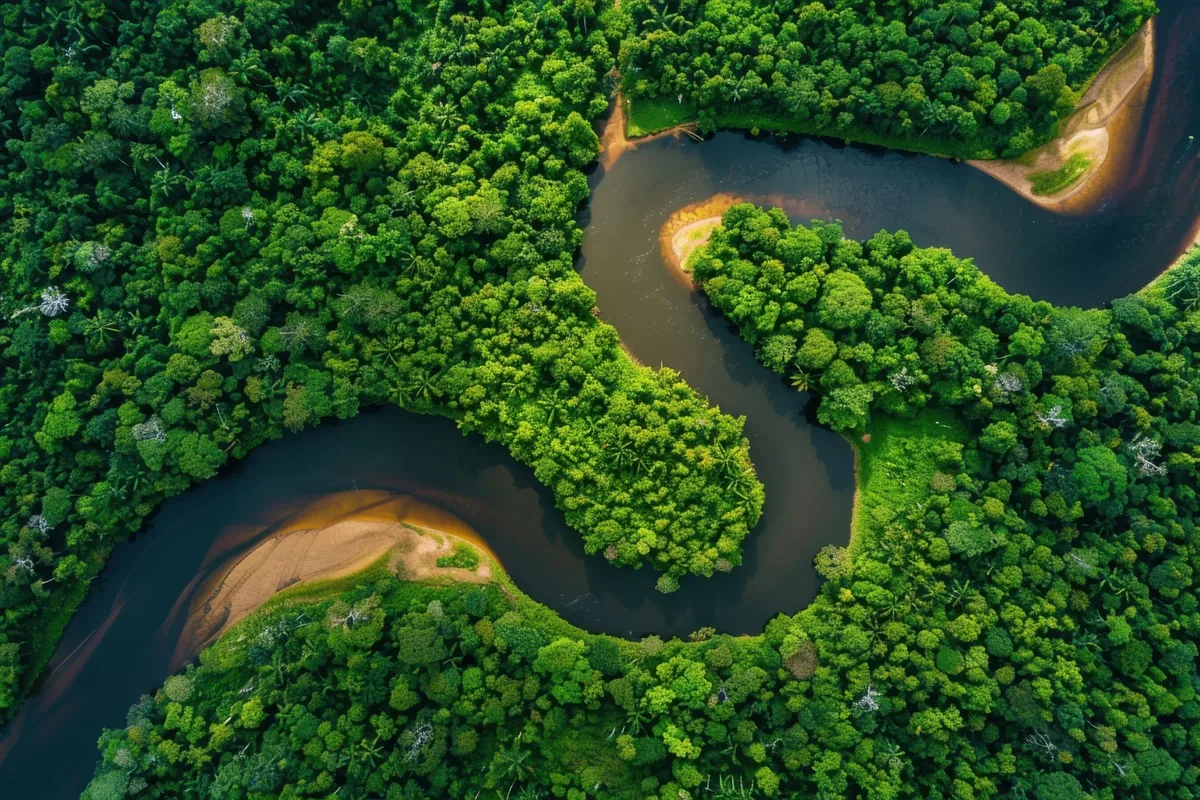
Manaus sits beside the Rio Negro and is a starting point for regional stays and river travel. Use the Manaus guide to decide how much city time belongs before or after the journey. Keep the city arrival, the transfer and the first guided activity separate in the written itinerary.
Ask where the onward journey begins and how you reach that point. A meeting in a city hotel, an airport collection and a port departure involve different arrangements. Confirm the handling of delayed arrivals and what happens to the first outing if the transfer takes longer than expected. Leave realistic space between commitments.
Official tourism sources associate Novo Airão with Anavilhanas, a Rio Negro archipelago of forested islands and channels. This adds a specific regional setting to consider rather than treating every forest-and-river proposal as equivalent. Ask how the proposed base connects to the areas you want to explore.
A broad regional description does not establish park access or the exact activities available. Request the names of the places visited, who organizes the outings and which arrangements need confirmation. Keep any community encounter clearly described, with host participation and photography guidance. Do not assume that a suggested regional route includes every experience mentioned in a destination guide.
A lodge can keep your overnight arrangements consistent while guided outings provide variety during the day. Compare how far the activities travel from the base and whether they use trails, smaller boats or a combination. Ask what a quieter day looks like and whether shorter outings are possible.
Discuss comfort in concrete terms: room privacy, bathroom arrangement, meals, electricity and access to common areas. Explain the pace you enjoy and the activities you would rather skip. A fixed base is useful when it reduces unnecessary movement, but it still needs a location and guiding format that support the experiences you want.
A journey aboard a vessel makes movement part of the stay. Ask for the route and a sample day that separates navigation from excursions. Confirm how passengers join smaller boats or shore visits, how groups are organized and whether the activities offer different levels of effort.
Compare the cabin and shared spaces as carefully as the route. Ask about bathrooms, ventilation, noise, charging equipment and storage. Establish which changes are possible if conditions affect the planned itinerary. More distance traveled does not automatically mean more time observing; a compact route may leave better space for your main interests.
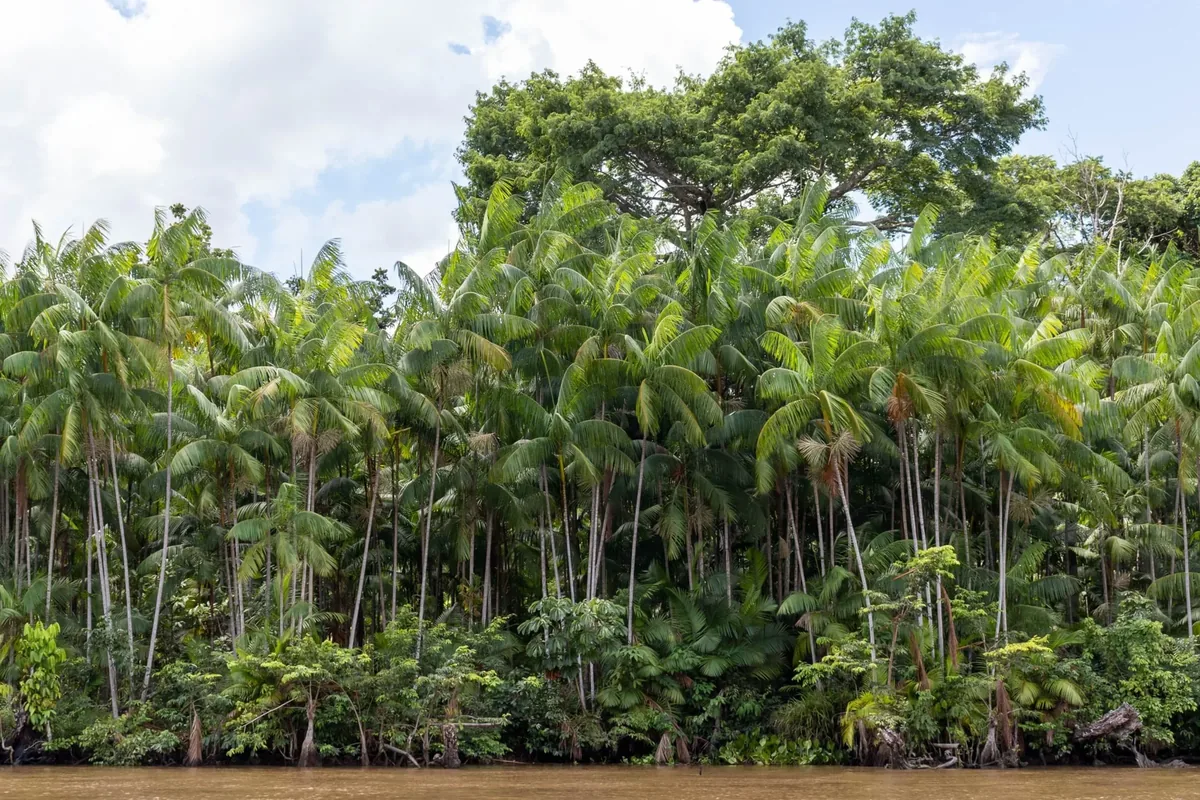
Tell the guide whether you are primarily interested in birds, photography, forest details or a broad introduction to the landscape. These priorities affect the time you need to stop and the pace at which the group moves. Ask whether the proposed format allows patient observation rather than only brief stops between activities.
Treat animal sightings as opportunities, not promises. Favor viewing that avoids feeding, handling and staged encounters. Consider what would make an outing satisfying even without one specific animal appearing. Learning to notice habitat, sounds and changes in the landscape can make the journey worthwhile on a day when wildlife is less visible.
Ask how the provider adapts activities and transfers to current river conditions. Choose a route with alternatives you would enjoy rather than building every day around one photograph or a single expected water level. A dated image or a general seasonal description cannot confirm what a specific outing will look like.
Confirm important arrangements again near departure and ask which decisions remain flexible. Keep the response practical: where a substitute activity takes place, how the group travels and what happens to paid inclusions. This guide does not supply a water-level forecast, a fixed navigation schedule or a guarantee of access to every described area.
Request a complete explanation of guiding, accommodation, meals, transfers and any additional charges. Compare the same group size and room or cabin arrangement. Identify optional activities and costs payable locally. This prevents a cheaper-looking proposal from relying on a different overnight format or leaving an important transfer outside the total.
Read payment, cancellation and change terms before committing to connected bookings. Ask who handles a missed departure and how the first transfer relates to your arrival. Keep those confirmations alongside the route outline. Clear terms help you assess uncertainty without implying that the river journey can operate identically in every condition.
Use the Brazil planning guide to organize dates, traveler count, overnight preferences and any essential comfort or access requirements. Add the observation interests that would make the journey memorable. You do not need to choose every stop in advance, but a clear outline makes the initial proposal more useful.
Request a focused lodge-based version and a vessel-based version if you are undecided. Compare their exploration time, movement and daily living arrangements before adding another region. A thoughtful Rio Negro journey should explain how the route supports your interests and where flexibility is possible, rather than simply offering the longest list of included activities. Compare the Anavilhanas guide for an archipelago-focused stay, or the Alter do Chão guide for a river-and-village option in the Tapajós region. Treat these regions as alternatives with their own connection plans. The Brazil lodge guide helps compare a fixed overnight base, while the Brazil river journey guide explains route choices and life aboard. Assess both formats by exploration time and the daily comfort you need. Use the Brazil timing guide to choose your dates and the Brazil wildlife guide to frame observation expectations. Use the Brazil access guide to coordinate your transfers and the Brazil packing guide to prepare your equipment.
No. Ask for the actual overnight locations and excursion areas. The river name alone does not explain how far you travel or which experiences are included.
Novo Airão is a regional base associated with the Anavilhanas river archipelago. Confirm the specific visiting arrangements rather than assuming a general Rio Negro proposal includes the park.
Either can fit if the location, pace and guiding suit your interests. Compare usable observation time, group arrangements and the comfort of the overnight stay.
No. Choose observation without feeding, handling or staging animals, and ask how the guide makes quieter outings worthwhile.
Tell us your dates, overnight preferences and the balance of walking, river time and comfort you want.
Share your plansBrazil overview · Plan your journey · Manaus · Anavilhanas · Santarém & Alter do Chão · Amazon lodges · River journeys · Choose your dates · Wildlife observation · Arrival and transfers · Packing list
Editorial review: October 7, 2026. Regional facts are checked against the official sources below. Confirm current visits, transfers and inclusions for your dates. The Manaus waterfront photograph has a documented Brazilian location; stock forest and wildlife photographs are illustrative and do not identify a specific property, trail or guaranteed sighting.